


Niamh discusses life as a Renewable Energy Planner. Niamh studied a BsC Applied Social Sciences and a Masters in Planning and Development from the University of Galway. Niamh joined MKO as part of our 2025 intake.
What inspired you to pursue a career in Planning?
I never quite knew what career I wanted to pursue, but I knew I liked Geography, so I chose Social Sciences, as the course incorporated Human and Physical geography, alongside Sociology and Politics. During the course, we were able to choose our optional modules, which included Smart and Liveable Cities and Planning the Modern City, which sparked my initial interest into urban planning, which has only grown since completing an MA in Planning and Development at the University of Galway.
Can you describe your typical day as a Planner?
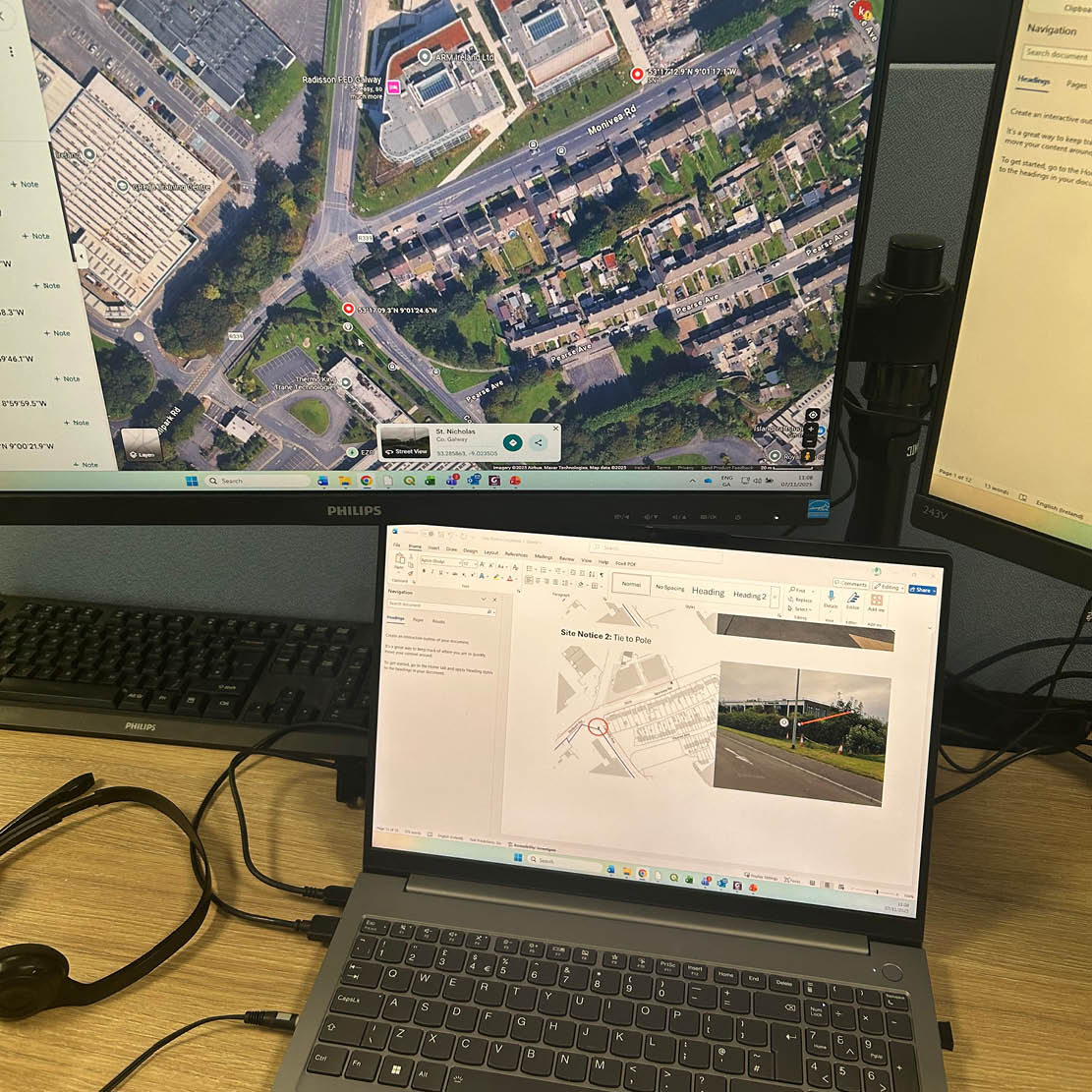
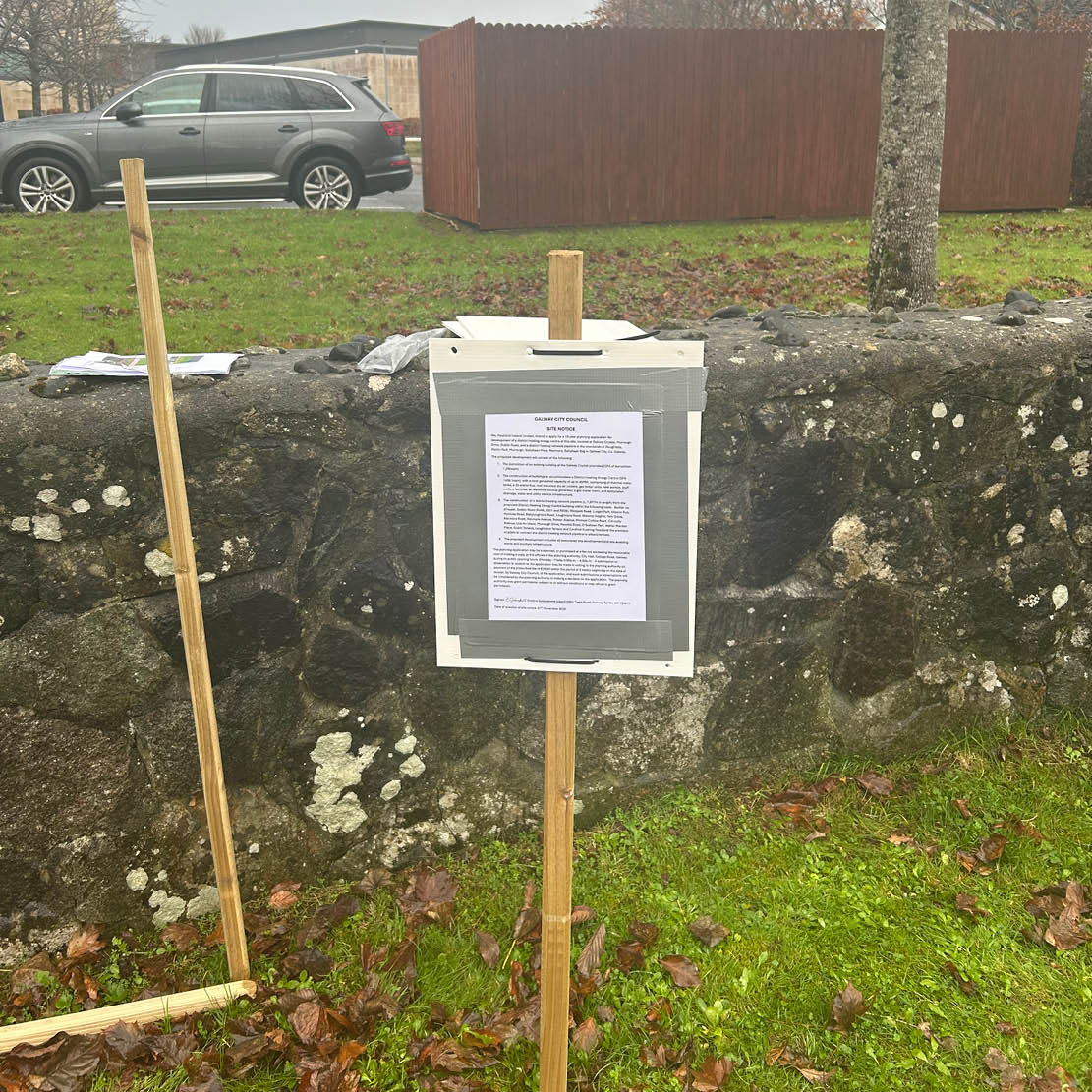
A typical day in the life of a Planner can vary massively from day to day, depending on the different types of projects you may be working on, and the stage that a particular project is in. Typically, my weeks involves work on several projects, from drafting and writing planning reports, to reviewing current planning policy and specific updates. Alongside desk work, site visits are essential to construct and display site notices for associated planning applications, before being lodged to the Planning Authority or An Coimisiún Pleanála.
What types of projects are you currently working on?
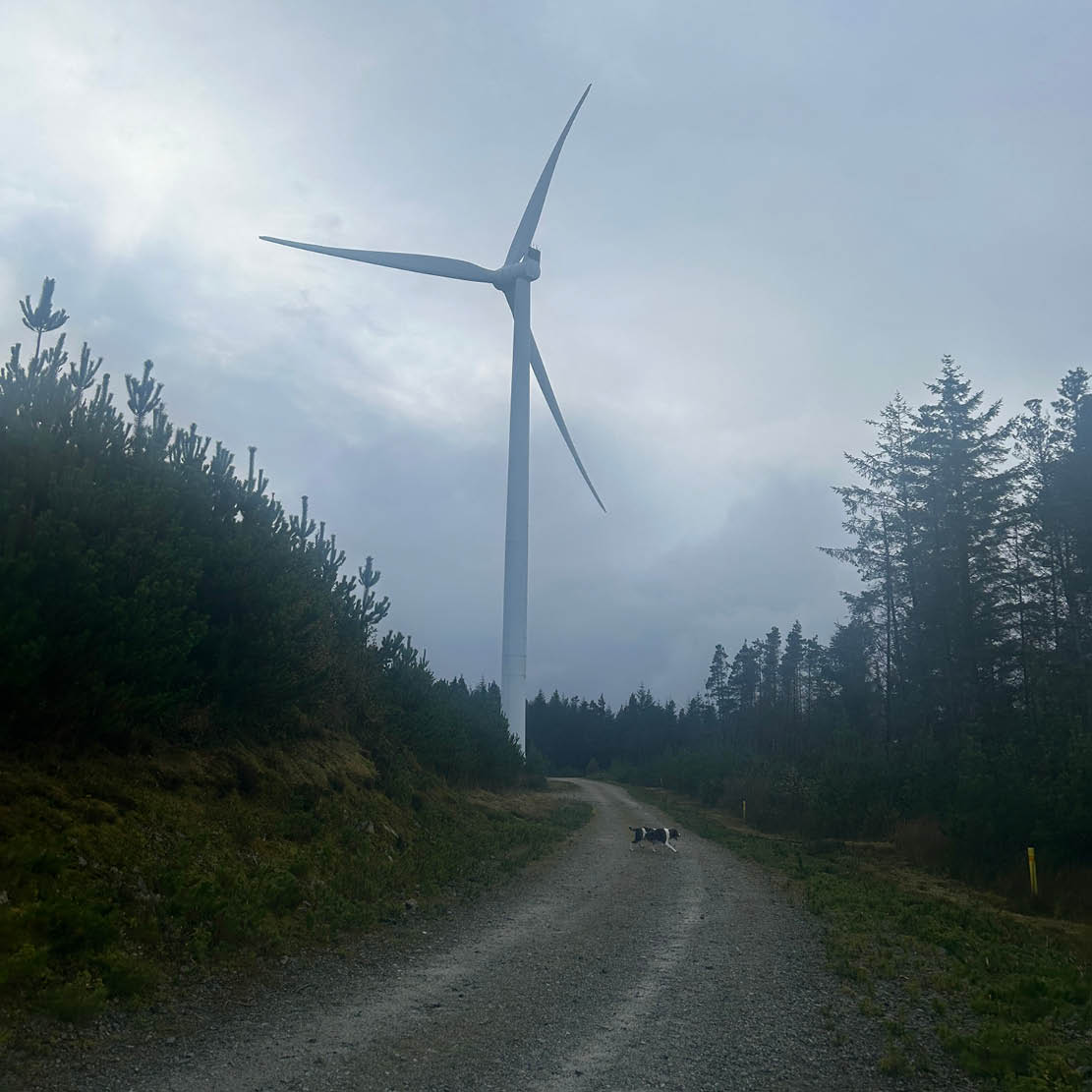
I work within the Renewable Planning team, so my projects mainly relate to onshore and offshore wind, as well as solar energy. I have worked on several onshore wind farm projects, including new developments, as well as the repowering and decommissioning of previous, older wind farm projects, which have reached their end-of-life.
How would you describe the culture at MKO?
The culture at MKO is extremely friendly and welcoming, which I have found since my first day working here. Starting as a Graduate Planner, alongside several other Graduates put me at ease, as we were all assigned buddies on our first day, to offer help and support for any questions we had. This support is offered company-wide, with everyone willing to point you in the right direction if you’re ever unsure about anything. Social events are run monthly, which encourage you to properly meet the people you’re working with, forming strong connections, and has allowed me to feel part of an important team at MKO.
What do you enjoy most about your role at MKO?
I really enjoy the calibre of work I am doing in MKO, knowing that the work I do on a day-to-day basis has a positive impact in working towards a healthier environment and planet. The team I do this with also greatly motivates me, as it is a positive learning environment, in which I can gain valuable experience and insights from my work colleagues.
What advice do you have for someone aspiring to pursue a career in Planning with MKO?
I would say to anyone interested in pursuing a career in Planning to take part and attend graduate events that MKO offer. After attending several myself, they allowed me to get a first insight into the company, its values and the people I would be working with, whilst also allowing me to do be able to ask any questions I had prior to applying for my role.
What are the most important skills required for your role?
I think that report-writing skills, organisational and problem-solving skills are all essential when working as a planner. Most of the work is closely related to planning policy, and how this can be used to support our applications, when writing our reports. Being able to work on multiple projects at once, all with different timelines, requires strong time-management skills and the ability to prioritise tasks efficiently. Problem-solving is particularly important, as planners need to be able to react and respond adequately to changes, providing alternative practical solutions, which has been seen recently in response to the Transposition of the Renewable Energy Directive and the updated Planning and Development 2024, both of which have brought about new planning legislature and requirements to follow.
What is the most exciting thing about the future of planning?
The most exciting thing about the future of planning is that it is ever-evolving, with more opportunities to incorporate renewable energy into future developments, putting a low-carbon environment at the forefront of our development priorities. As we move towards 2030, planning plays a crucial role in achieving ambitious climate gorals through the provision and delivery of sufficient renewable energy.