


Planning news
Approval of Galway Harbour Extension
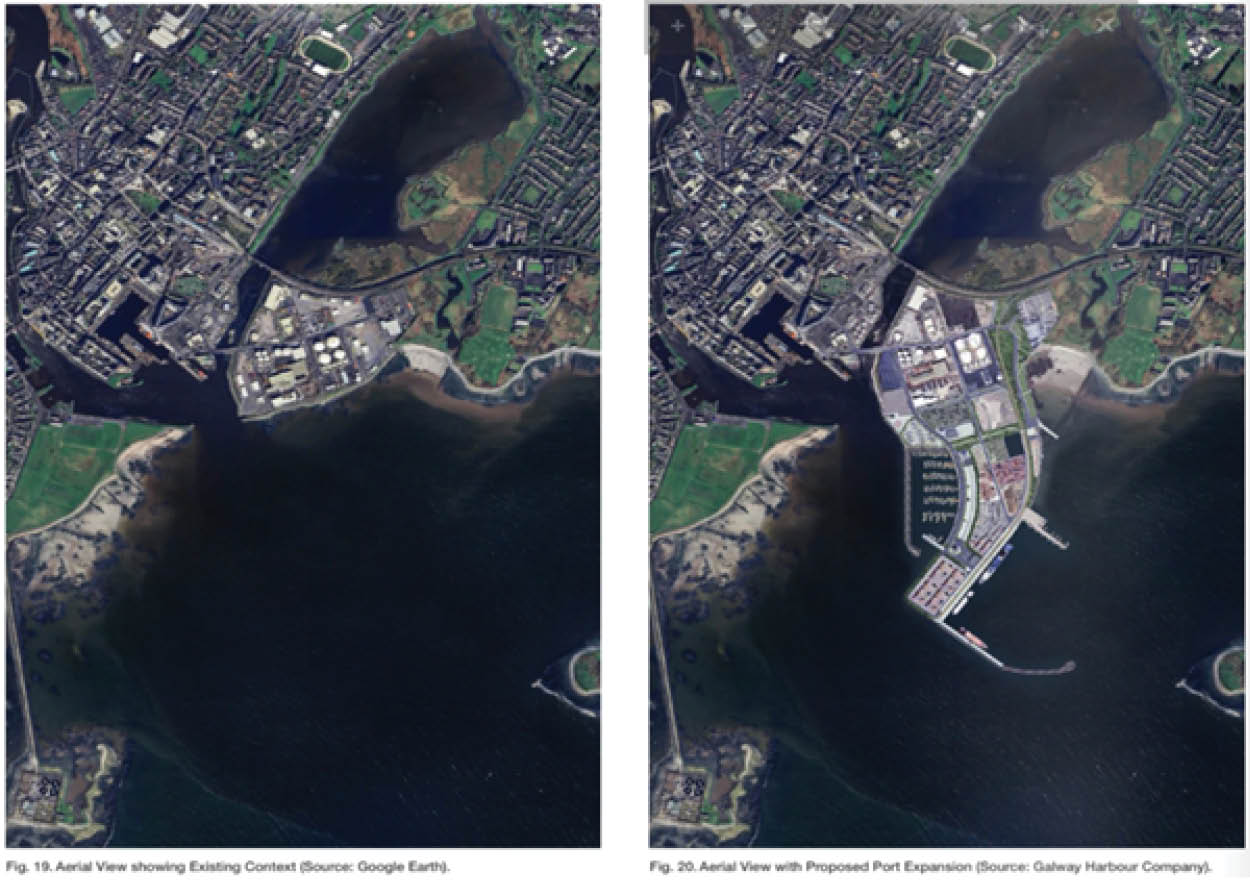
MKO is delighted to welcome the recent decision by An Coimisiún Pleanála to grant planning permission for the long-awaited extension and redevelopment of Galway Harbour, a landmark infrastructure project for Galway City and the wider West of Ireland.
The approved development will include the reclamation of approximately 23.89 hectares of land to create a modern deep-water port facility extending 935 metres into Galway Bay. The project will deliver new commercial quays, marina facilities, fishing and passenger infrastructure, rail freight connectivity, and enhanced maritime services.
The redevelopment represents a transformative investment in the region’s future, supporting sustainable economic growth, improved maritime infrastructure, tourism opportunities, and long-term regeneration of Galway’s inner docklands.
The Port of Galway redevelopment also aligns strongly with national infrastructure priorities under Project Ireland 2040 and the National Planning Framework, while helping future-proof the port for larger vessels and modern logistics requirements.
MKO recognises the significance of this milestone project for the continued development of Galway as a regional economic hub and looks forward to seeing the next stages of detailed design and delivery progress in the years ahead.
Changes to Ireland’s BER system coming into effect
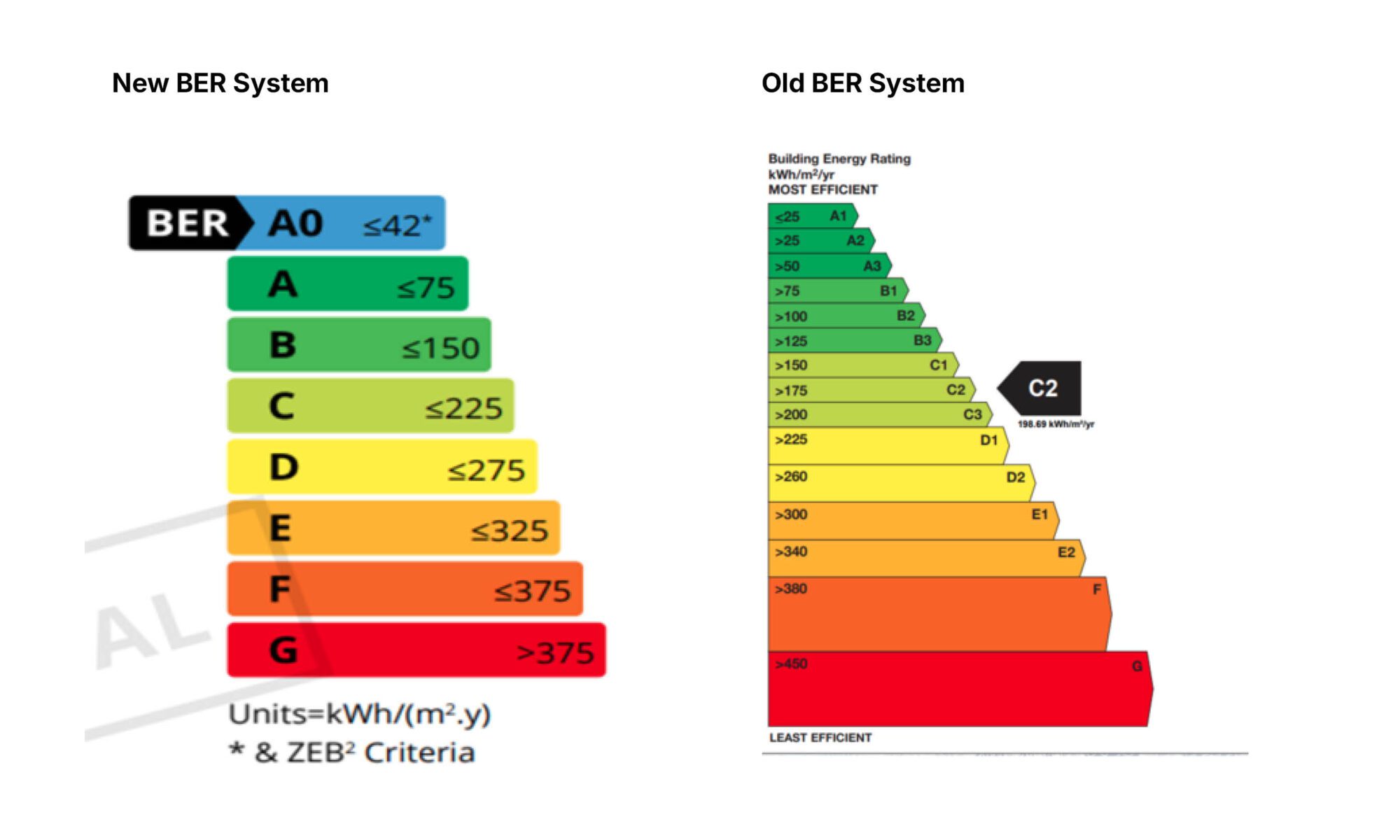
Ireland’s Building Energy Rating (BER) system is set to undergo significant changes from May 2026 following the introduction of updated EU-wide energy performance rules. The revised system will simplify the current 15-point BER scale into a new A–G rating structure aimed at creating greater consistency across Europe. Under the new format, the existing numerical subcategories such as A1, A2, and B3 will be removed. A new top-tier “A0” rating will also be introduced for zero-emissions homes that are fossil fuel free and achieve the highest standards of energy efficiency.
The changes are intended to support improved energy transparency, encourage deeper retrofitting, and help align Ireland with broader EU climate and sustainability targets. Existing BER certificates will remain valid for their current 10-year lifespan, meaning homeowners will generally only move to the new system when obtaining a new assessment.
The updated methodology will also account for the continuing decarbonisation of Ireland’s electricity grid, which may reduce the impact on some lower-rated homes. While most properties are expected to remain broadly within their current rating bands, a small number of homes could see their classification change under the revised system.
The introduction of the new BER framework is expected to play an important role in supporting retrofitting activity, sustainable construction, and Ireland’s transition towards a low-carbon built environment in the years ahead.
Renewables news
Wind energy continues to drive Ireland’s renewable transition
New figures from Wind Energy Ireland highlight the growing importance of wind power in Ireland’s energy mix, with wind farms providing approximately one-third of the country’s electricity during 2025. The figures demonstrate the continued expansion of Ireland’s renewable energy sector and the increasing role of clean energy in supporting national climate targets.
According to the report, Ireland now has more than 5,000 MW of installed onshore wind capacity, with additional projects currently under construction and thousands more progressing through the planning system. Wind farms generated an estimated 13,634 GWh of electricity in 2025, helping to reduce reliance on imported fossil fuels while lowering wholesale electricity costs.
The report also highlighted the growing contribution of renewable energy to the national grid, with wind energy accounting for 33% of Ireland’s electricity generation during the year. December 2025 saw particularly strong performance, with wind supplying 39% of national electricity demand.
Industry representatives have noted that continued investment in grid infrastructure, energy storage, and renewable generation will be essential to achieving Ireland’s long-term climate and energy objectives. Ireland has recently reached a major milestone of 8GW of installed renewable electricity capacity, reflecting significant growth in both wind and solar generation nationwide.
The latest figures reinforce the critical role renewable energy will play in supporting economic growth, energy security, and the transition to a low-carbon economy across Ireland.
Policy and legislation
Review of the Critical Infrastructure Bill
The recently published Critical Infrastructure Bill 2026 represents a significant step in the Government’s plans to accelerate the delivery of major infrastructure projects across Ireland. The legislation aims to reduce delays and streamline approval processes for projects considered strategically important to the State.
The Bill will introduce new fast-track approval mechanisms for designated “critical infrastructure” projects, particularly across the energy, transport, water, and utilities sectors. Under the proposed legislation, public bodies will be required to prioritise and coordinate approvals to help accelerate project delivery while maintaining existing regulatory safeguards.
The legislation forms part of the Government’s wider Accelerating Infrastructure Action Plan, which seeks to address long-standing planning and consenting delays affecting infrastructure development nationwide. Key proposals include statutory timelines, improved inter-agency coordination, and reforms to judicial review processes.
The Bill has been broadly welcomed by industry groups and infrastructure stakeholders, who view it as an important measure to support housing delivery, renewable energy development, transport infrastructure, and economic growth.
However, the proposals have also generated debate around environmental oversight and legal challenge mechanisms, with some commentators raising concerns regarding the balance between accelerated development and environmental protections.
Overall, the Critical Infrastructure Bill signals a major shift in Ireland’s approach to infrastructure delivery and could have significant implications for the planning, environmental, engineering, and construction sectors in the years ahead.
Policy and legislation
Cork City Council
Proposed Variation No. 3 (NPF Implementation) to the Cork City Development Plan 2022-2028. Open from 15th April 2026 at 09:00 – 13th May 2026 at 17:00.
Kerry County Council
Proposed Variation No 4 of the Kerry County Development Plan 2022-2028. Open from 16th April 2026 at 12:00 – 15th May 2026 at 23:59
Leitrim County Council
Proposed Variation No.1 of the Leitrim County Development Plan 2023-2029. The proposed Variation, SEA Environmental Report, SEA screening determination, AA Screening Report, AA screening determination and Strategic Flood Risk Assessment, will be on public display and may be inspected from Wednesday 15th April 2026 until Wednesday 13th May 2026 inclusive (excluding weekends and public holidays).
Limerick City & County Council
Proposed Variation No. 3 to the Limerick Development Plan 2022-2028 (as varied). Open from 18th April 2026 at 00:00 – 18th May 2026 at 17:00.