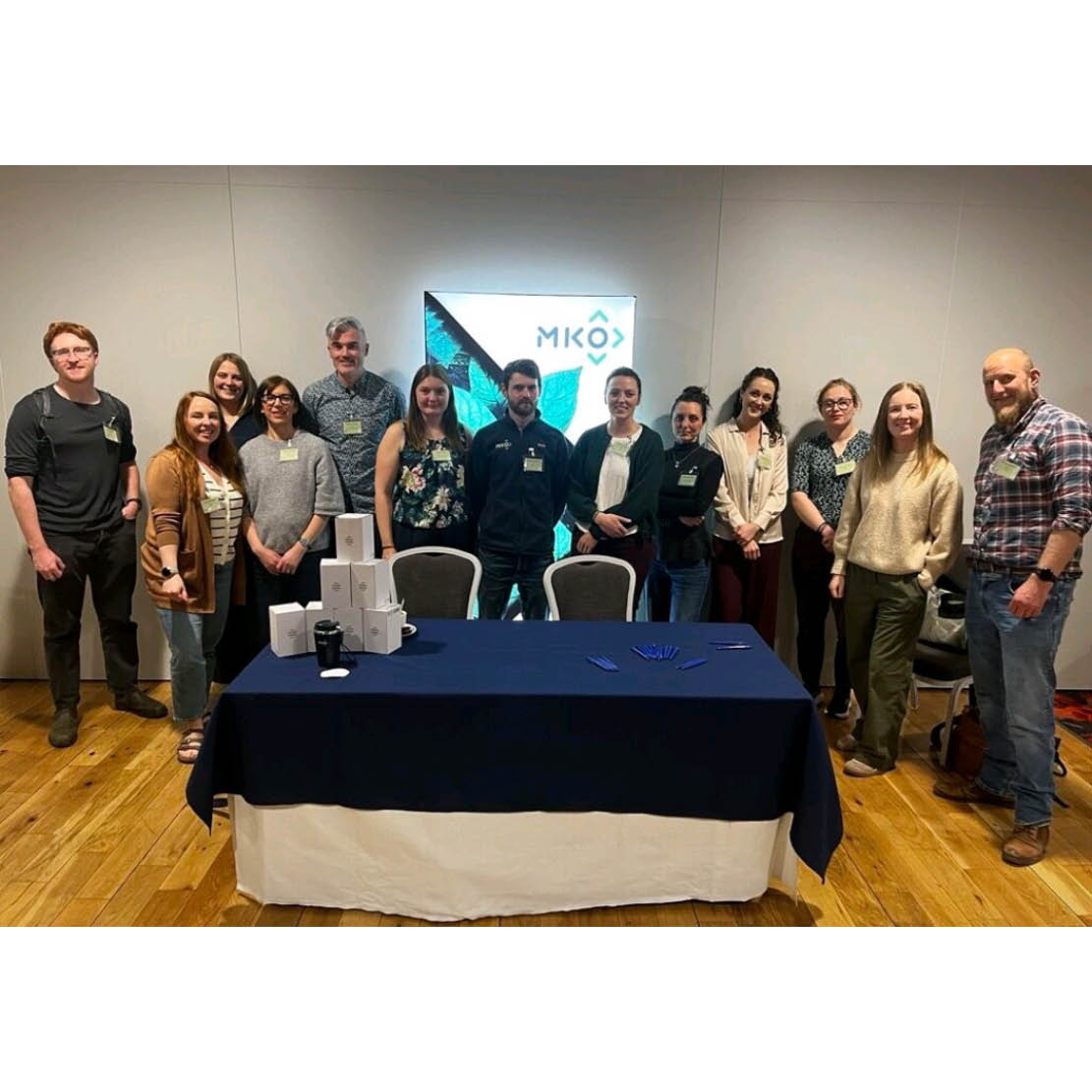

Our Ecology Team was delighted to be involved in this year’s CIEEM Ireland Conference, themed “Advancing Ecological Practice: Trends, Tools and Innovations”, which MKO proudly sponsored.
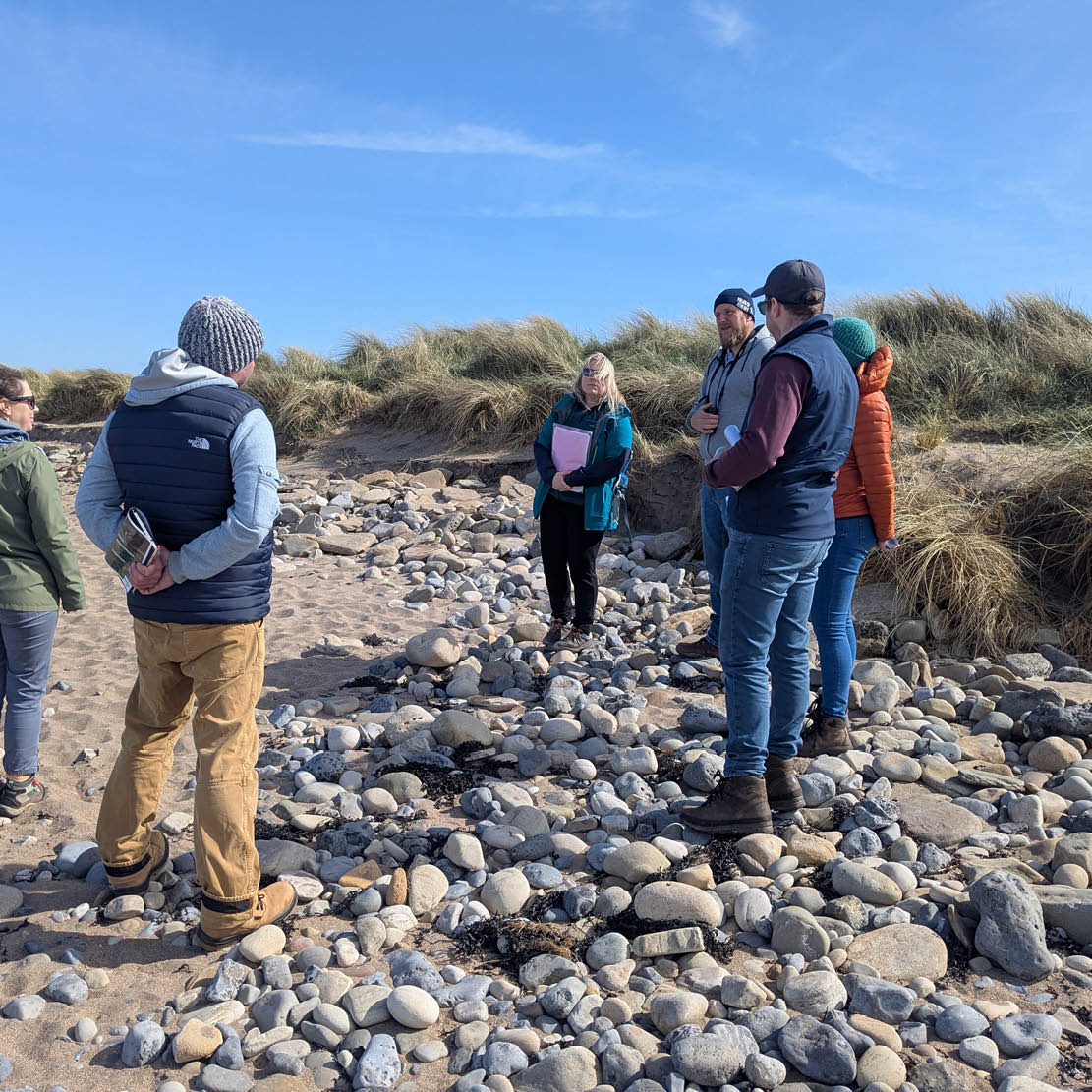
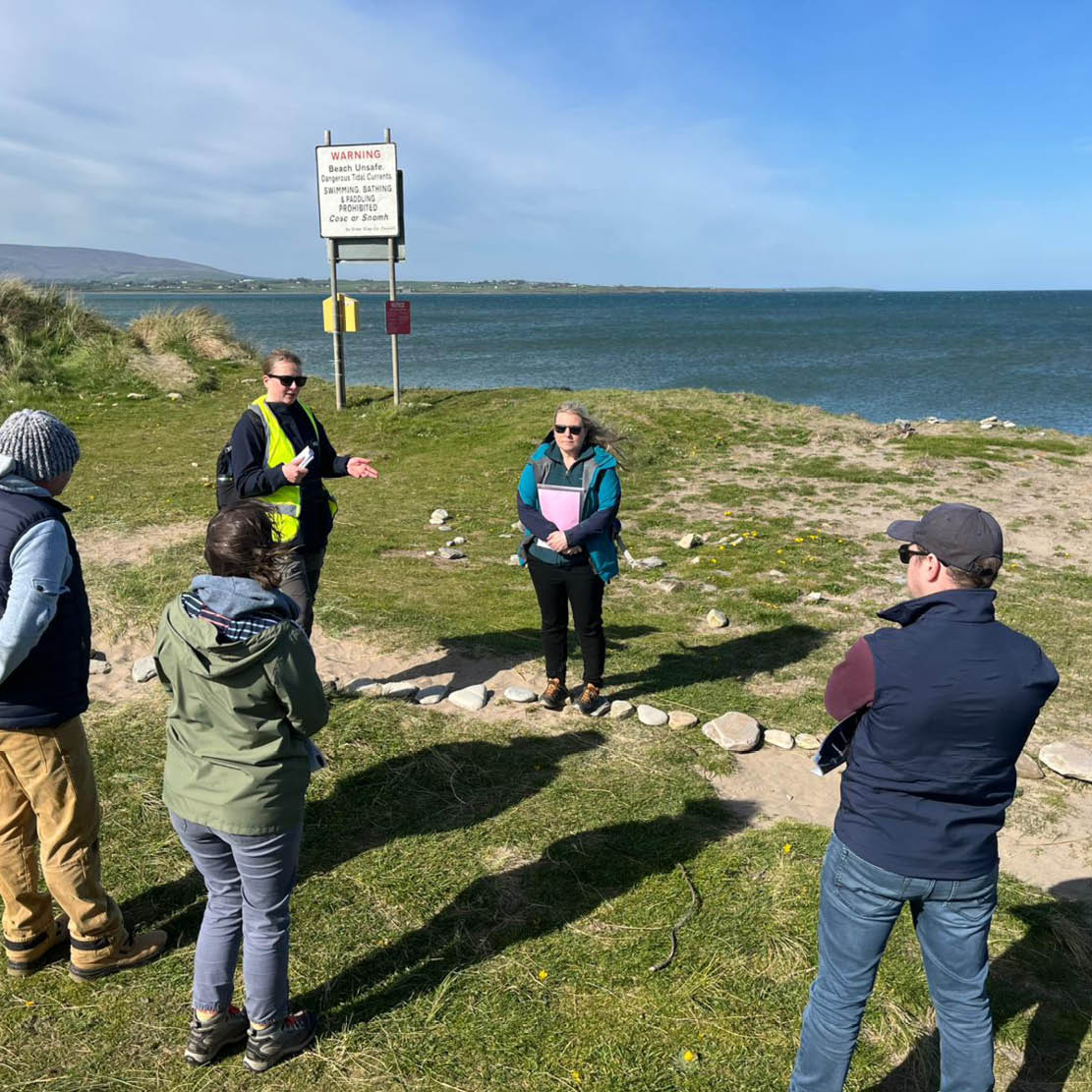
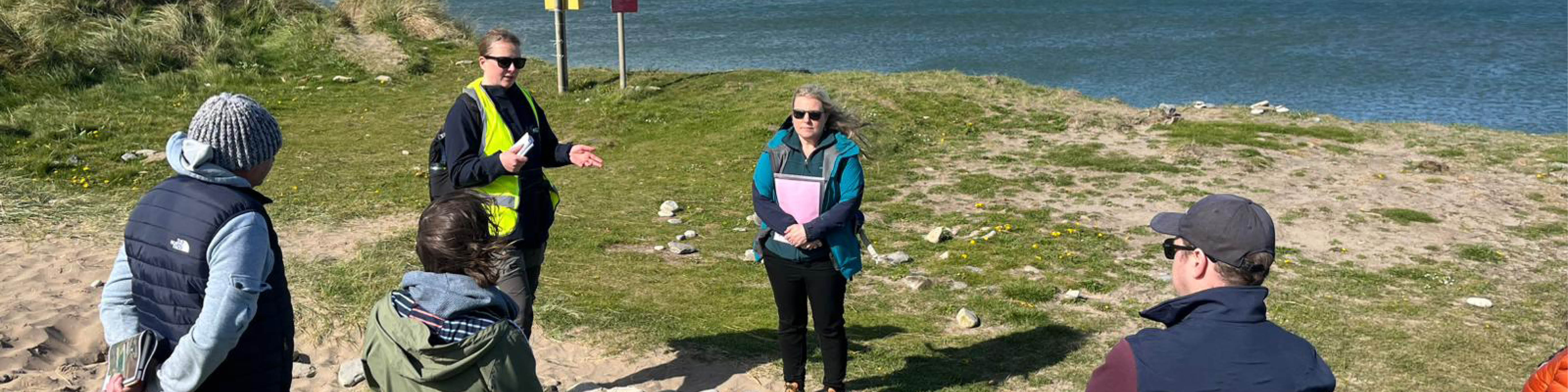
As part of the conference programme, Pat Roberts and Malena Thren led a field trip alongside Ruth Hanniffy, Biodiversity Officer with Sligo County Council, focusing on the management of the Killaspugbrone Dune system within the Cummeen Strand/Drumcliff Bay (Sligo Bay) SAC. The field visit showcased work undertaken over the past two years using Local Biodiversity Action Fund (LBAF) support to identify pressures on the dune system and develop practical management options to support habitat restoration and the recovery of the protected narrow‑mouthed whorl snail (Vertigo angustior).
The field trip provided an excellent opportunity for discussion with practitioners and stakeholders on balancing land uses, including recreation, forestry and infrastructure with nature conservation and restoration, and on the steps required to move towards implementation.
Following the field trip, our ecology team participated in a workshop on Ecology Skills and Capacity in Ireland, exploring actions arising from the recently published CIEEM report.
We were delighted to sponsor the conference and enjoyed the presentations, discussions and knowledge‑sharing across the two days.