


Emma is an Environmental Scientist in our Dublin office. Emma graduated with a BA in Geography and Human Development from Dublin City University and an MSc in Environmental Resource Management from UCD and joined MKO in 2024.
What inspired you to pursue a career in Environmental Science?
I’ve always been interested in the environment, climate change and the science behind how it all works. This interest really developed during my undergraduate Geography degree, where studying a module in Environmental Science made me realise it was something I would love to turn into a career. This led me to complete a Master’s in Environmental Resource Management, where I enjoyed the variety within Environmental Science, from critical thinking and data analysis, to mapping and field work, and seeing how it all comes together to inform real-world environmental decisions. As someone who has always been interested in geography, biology and earth science, Environmental Science felt like a career that brought a bit of everything together.
Can you describe your typical day as an Environmental Scientist?
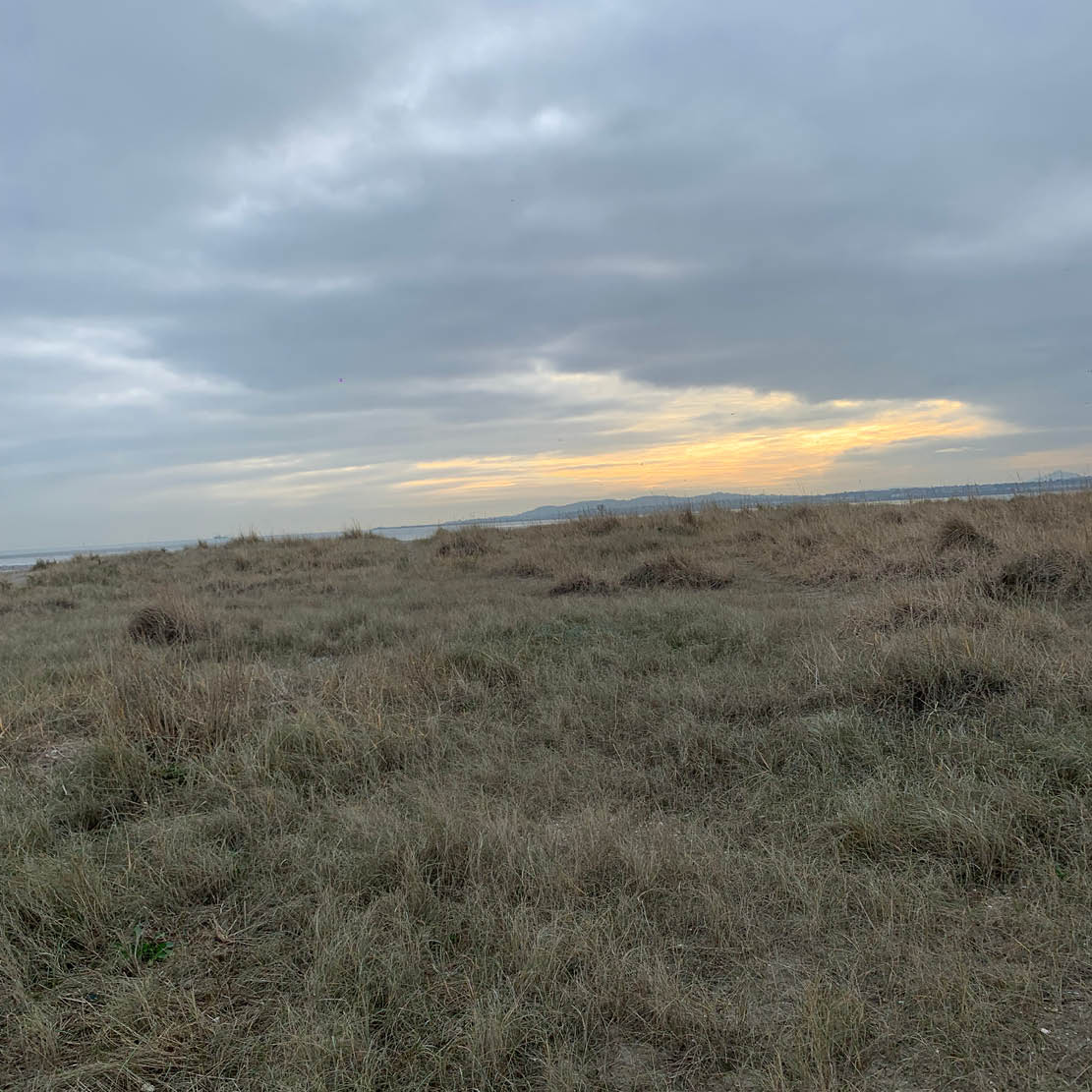
Every day as an Environmental Scientist is a bit different, depending on the project I’m working on and what stage it’s at. I usually start the morning by checking emails and planning my priorities. I could spend a couple of hours writing reports or working on EIAR chapters, which involves desk-based research and pulling together information. I also spend time creating maps for reports or chapters, co-ordinating with different teams, and taking on project management tasks, like keeping track of timelines, resources, and project tasks. Meetings are a regular part of my day too, whether with internal teams or clients. Occasionally I may be on-site, this could include doing a site walkover to familiarise myself with a site and identify any constraints for a project.
What types of projects are you currently working on?
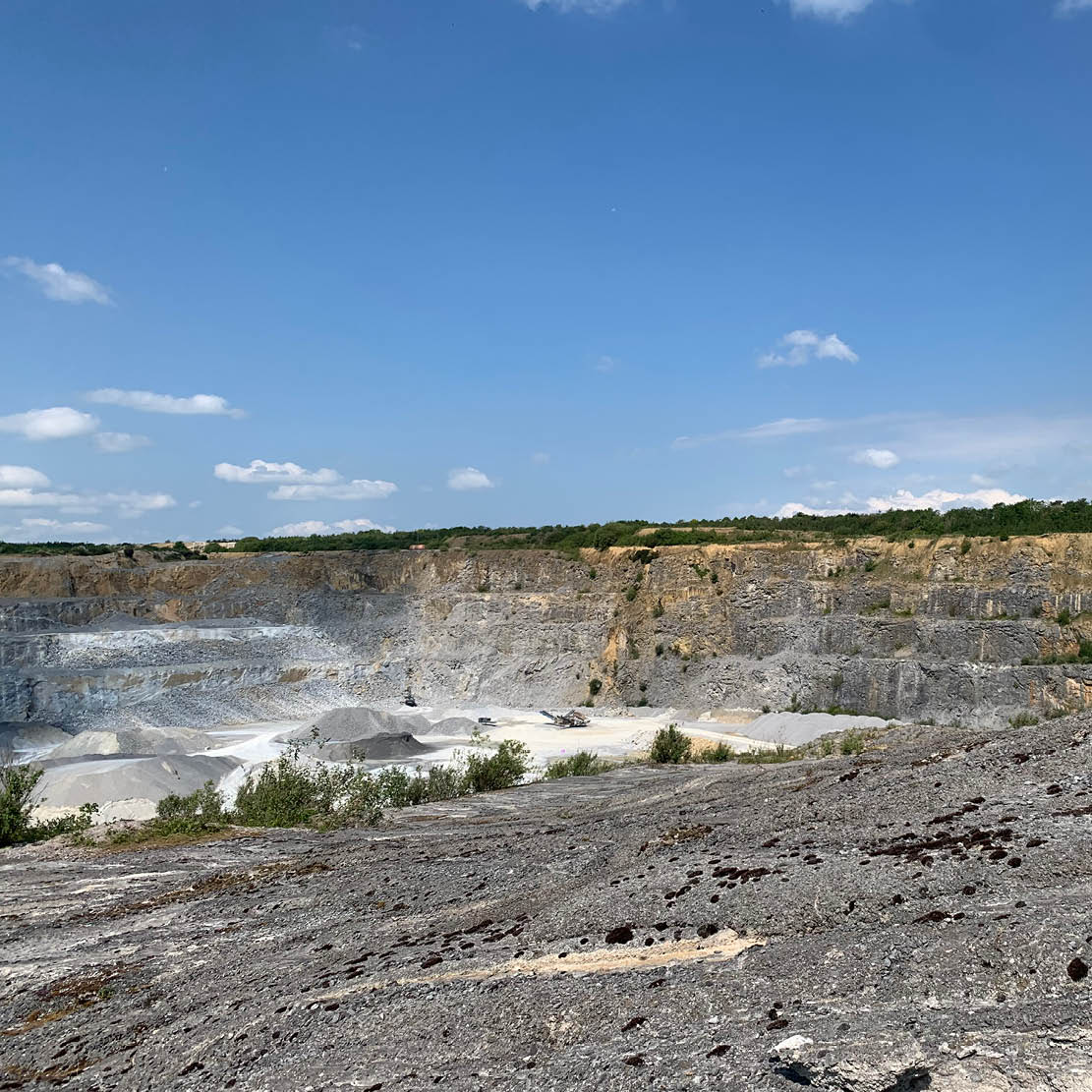
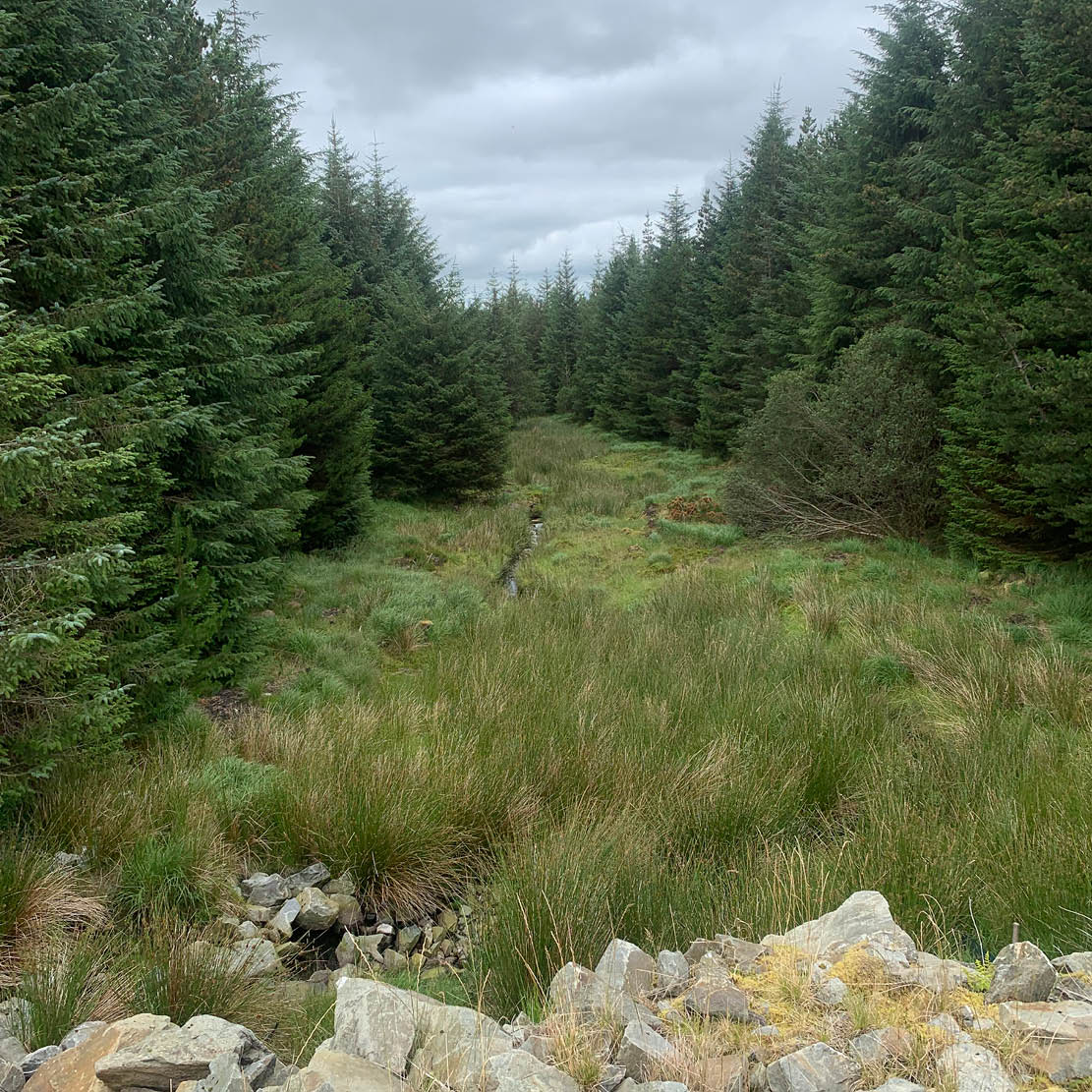
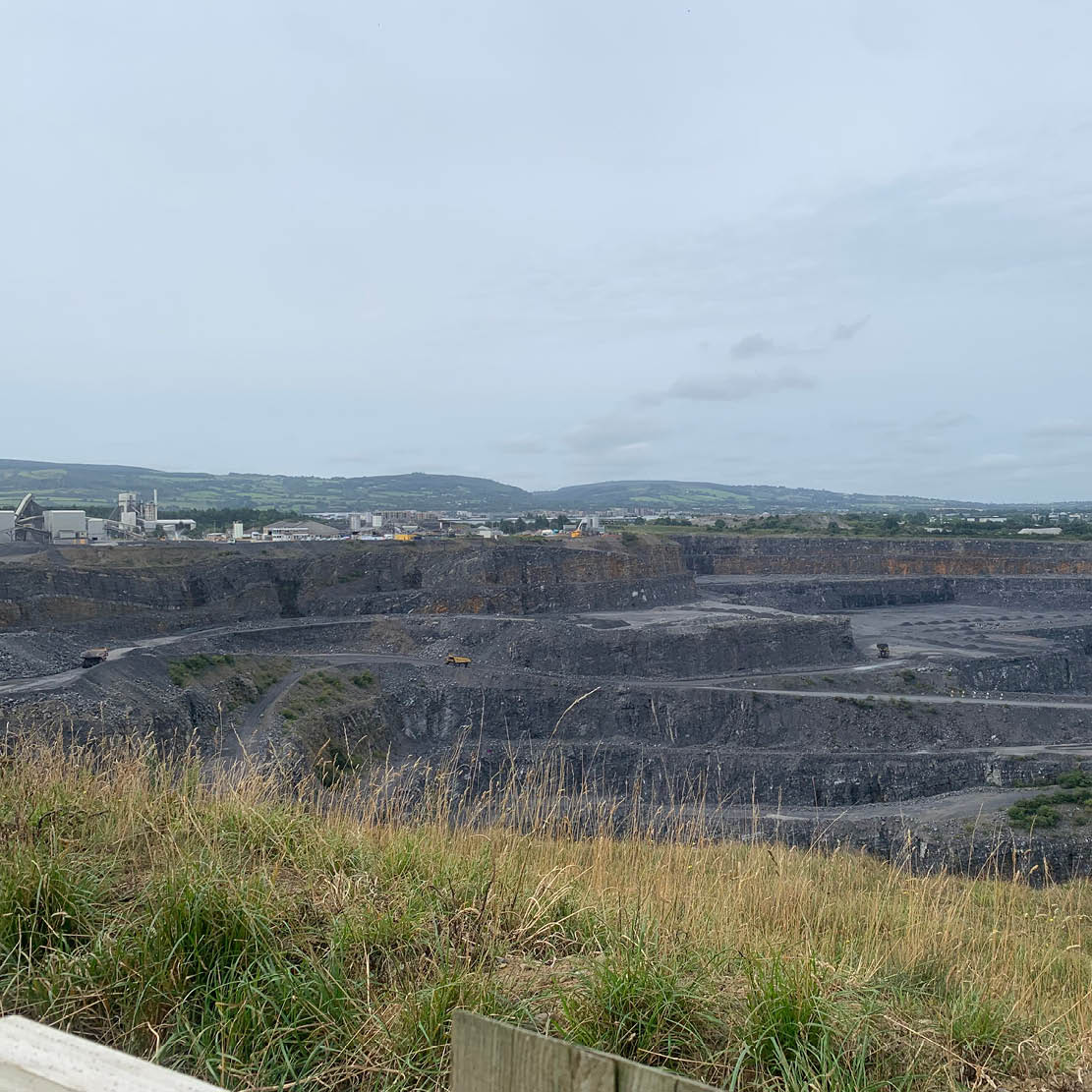
At the moment, I’m working on a range of projects across different sectors, including waste infrastructure, energy infrastructure, quarries, and wind farm developments. I really enjoy being involved in a variety of projects at once, as each one brings new challenges and learning opportunities. The size of the projects varies as well, ranging from smaller-scale work, such as preparing Construction and Environmental Management Plans for wastewater treatment plants, to larger-scale projects like Environmental Impact Assessments for wind farm developments. The environmental team works on a wide range of projects, which gives me a great opportunity to learn and develop. It’s also exciting to get involved in projects I haven’t had the chance to work on before.
How would you describe the culture at MKO?
One of the big reasons I love working for MKO is the culture. Everyone is very welcoming, friendly and always happy to give a helping hand. Combined with the wealth of knowledge and expertise across the company, it means there’s always something new to learn, no matter who you’re talking to. MKO also has a strong culture of continuous learning. There’s always relevant news or new information shared across MKO, whether it’s through the company-wide Monday Morning Meetings or sent out in the internal newsletter. It’s a great way to stay up to date, even on topics outside your own team or sector. We also have social events throughout the year, which are a great opportunity to catch up and chat with people you might not usually get the chance to meet around the office.
What do you enjoy most about your role at MKO?
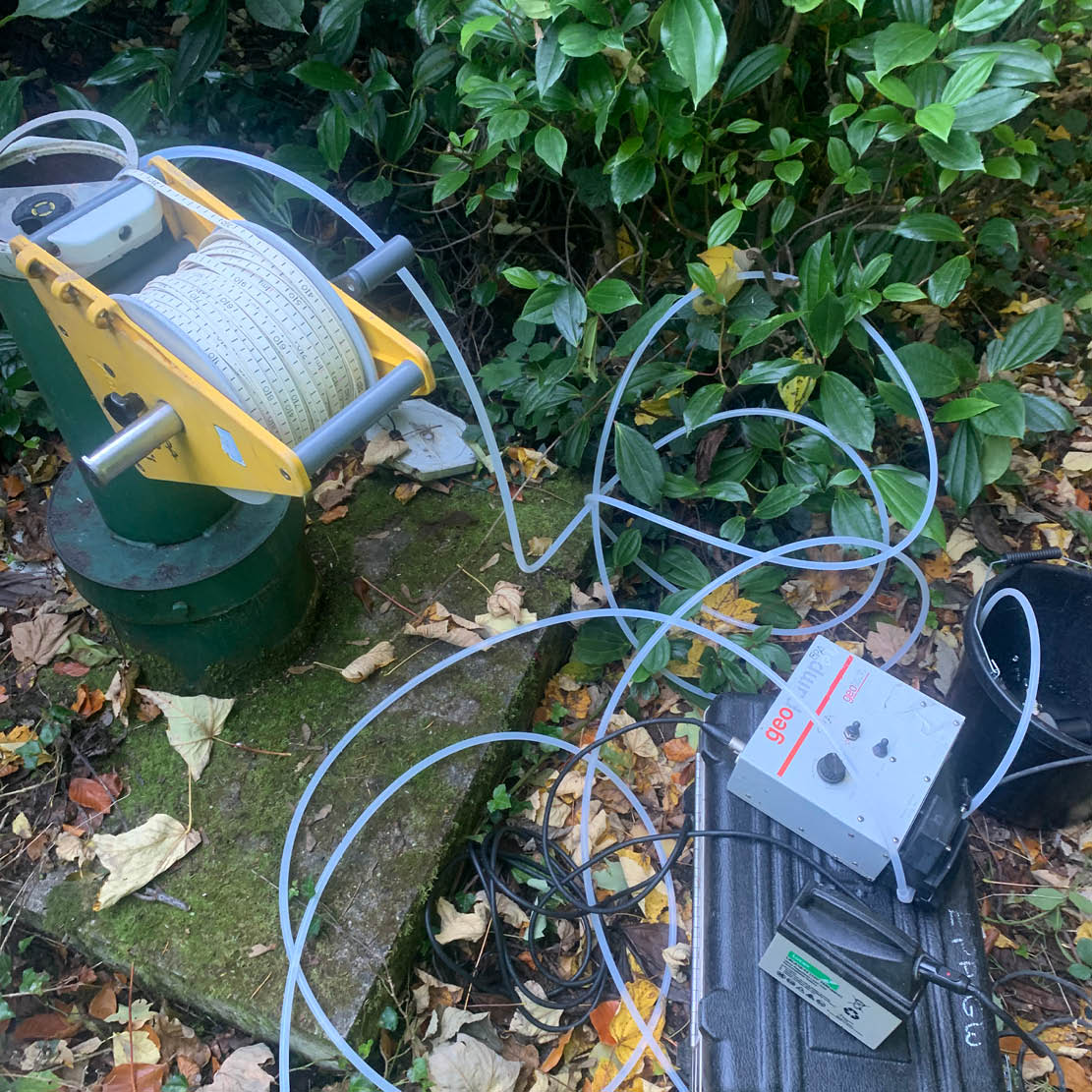
I enjoy the variety of projects I get to work on, and the opportunity to work alongside experts in their fields. I never expected to have so many opportunities to try different things, from water sampling, to preparing for and attending public information events, and taking part in training with other teams, such as bat surveys, which has given me exposure to different areas that I might not have experienced otherwise.
What advice do you have for someone aspiring to pursue a career as an environmental scientist with MKO?
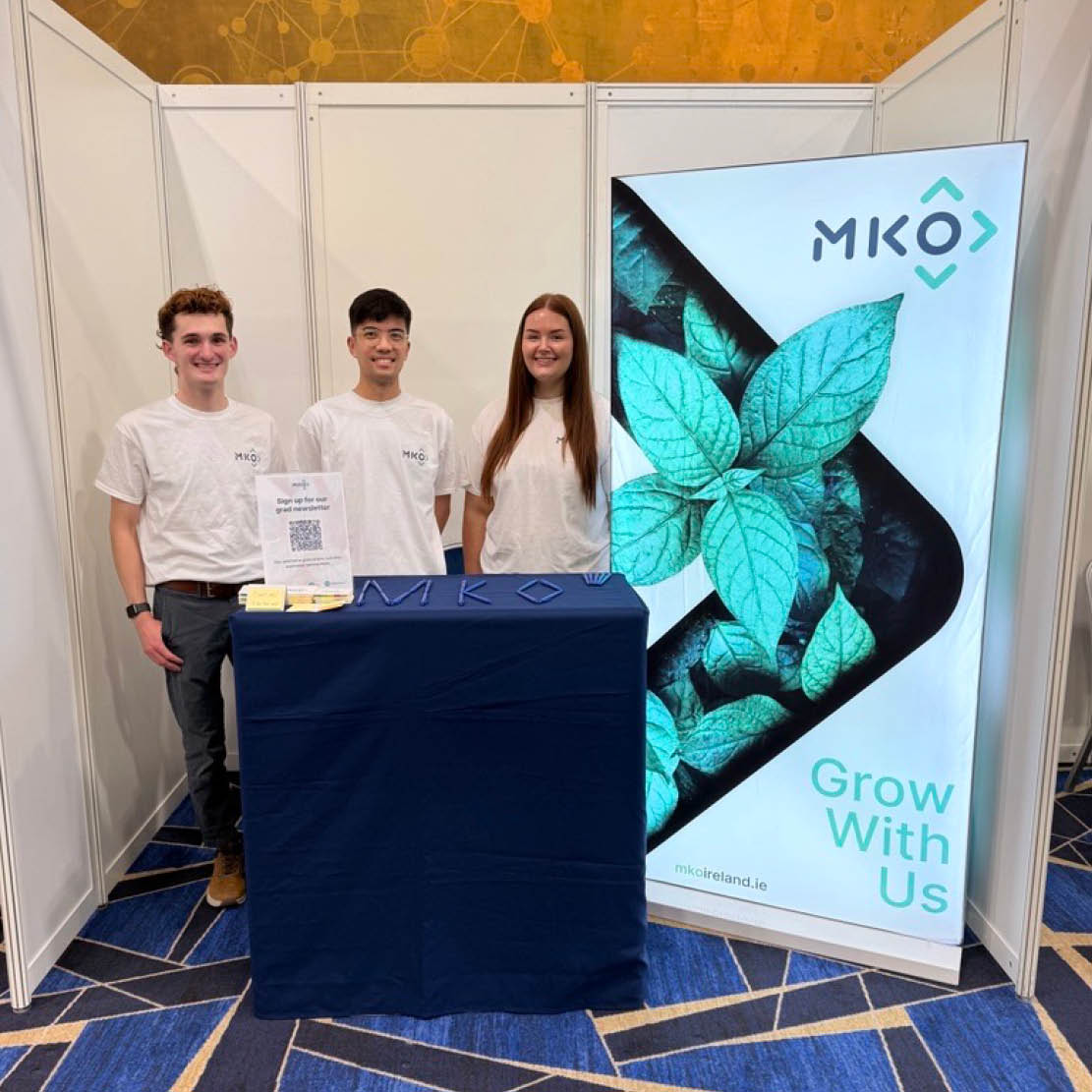
I would definitely recommend attending events such as university careers fairs or MKOs meet the team morning as part of the grad campaign. These are great opportunities to meet people, chat to current graduates about their experiences, and get a feel for whether the company is the right fit for you. When I attended the coffee morning before I joined, I immediately got a sense of the culture at MKO, and I knew it would be a company I’d be proud to work for.
Having a genuine passion for the environment is important, and I’d also say to focus on developing strong interpersonal and communication skills. A lot of the role involves communicating with clients and working as part of multidisciplinary teams, so being confident on calls and able to lead discussions in a clear and productive way is a really valuable skill. Be prepared to learn a lot, you’ll often find yourself working with people across different disciplines and on topics you may not be familiar with at first. Having the drive to learn and an interest in the many different aspects of Environmental Science, whether that’s landscape, noise, or cultural heritage, will really help you make the most of the opportunities at MKO.
What are the most important skills required for your role?
I think one of the most important skills for the role is strong report writing, as a lot of the work involves clearly communicating technical information, and this is something that really develops as you learn and grow within MKO. Having some knowledge of QGIS is also useful, but you don’t need to be an expert starting out.
When I first started, my QGIS skills were very basic, even after studying it during both my undergraduate and master’s degrees. Since joining MKO and using QGIS on almost every project, I’ve become much more confident and proficient. Most systems and technical skills can be taught on the job, so I wouldn’t worry too much about not being a pro straight away, once you have the drive to learn, you’ll pick things up quickly.
How does MKO support your professional development in environmental science?
It’s an exciting time to be an Environmental Scientist, and MKO provides great support to help you grow in your career. We have our own in-house training platform, MKO Academy, which offers a range of courses, how-to’s, and resources relevant to your field. MKO also sponsors your membership to a professional body, which helps support professional development. Alongside this, I’ve had the chance to work on a wide variety of projects and learn from experienced colleagues, who are always happy to share their knowledge and offer guidance. The combination of hands-on experience, structured training, and a supportive team makes it a really positive environment to learn, develop, and build confidence as an Environmental Scientist.