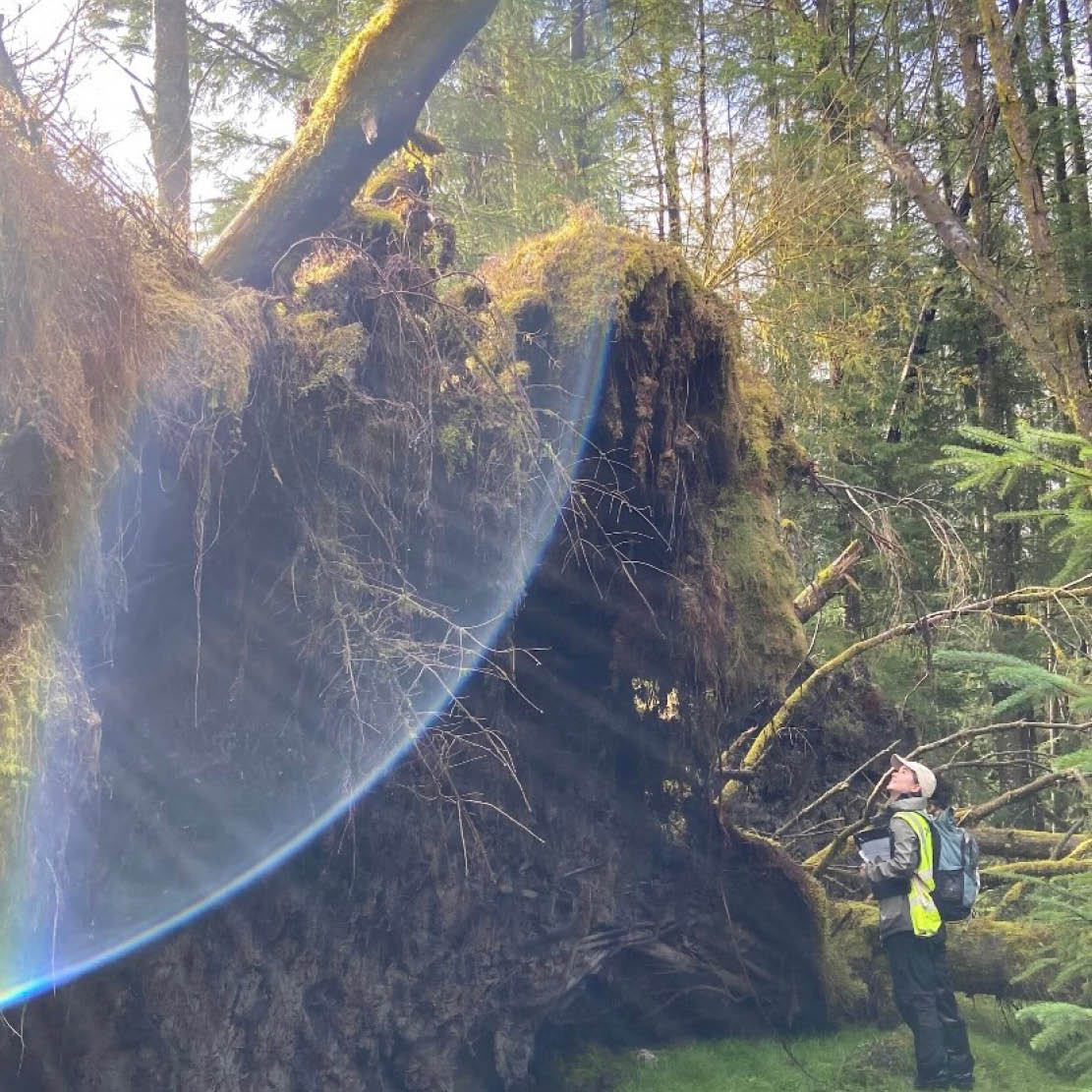



Amy discusses her typical day working as an Ecologist. Amy joined MKO in 2025 as part of our Grad intake. Amy studied Environmental Science at the University of Galway.
What inspired you to pursue a career in Ecology?
Growing up, I was always fascinated by nature. I was fortunate to be surrounded by people who loved spending time outdoors and were eager to explore, learn and understand more about nature. From a young age, I was very interested in wildlife, plants and ecosystem, whether it was watching nature documentaries or exploring the local outdoors. This curiosity naturally led me to study Environmental Science at the University of Galway. During my time there, I had the opportunity to learn more specifically about ecology, and the more I explored it, the more my passion grew. That growing fascination with understanding and protecting nature is what ultimately inspired me to pursue a career as an ecologist.
Can you describe your typical day as an Ecologist?
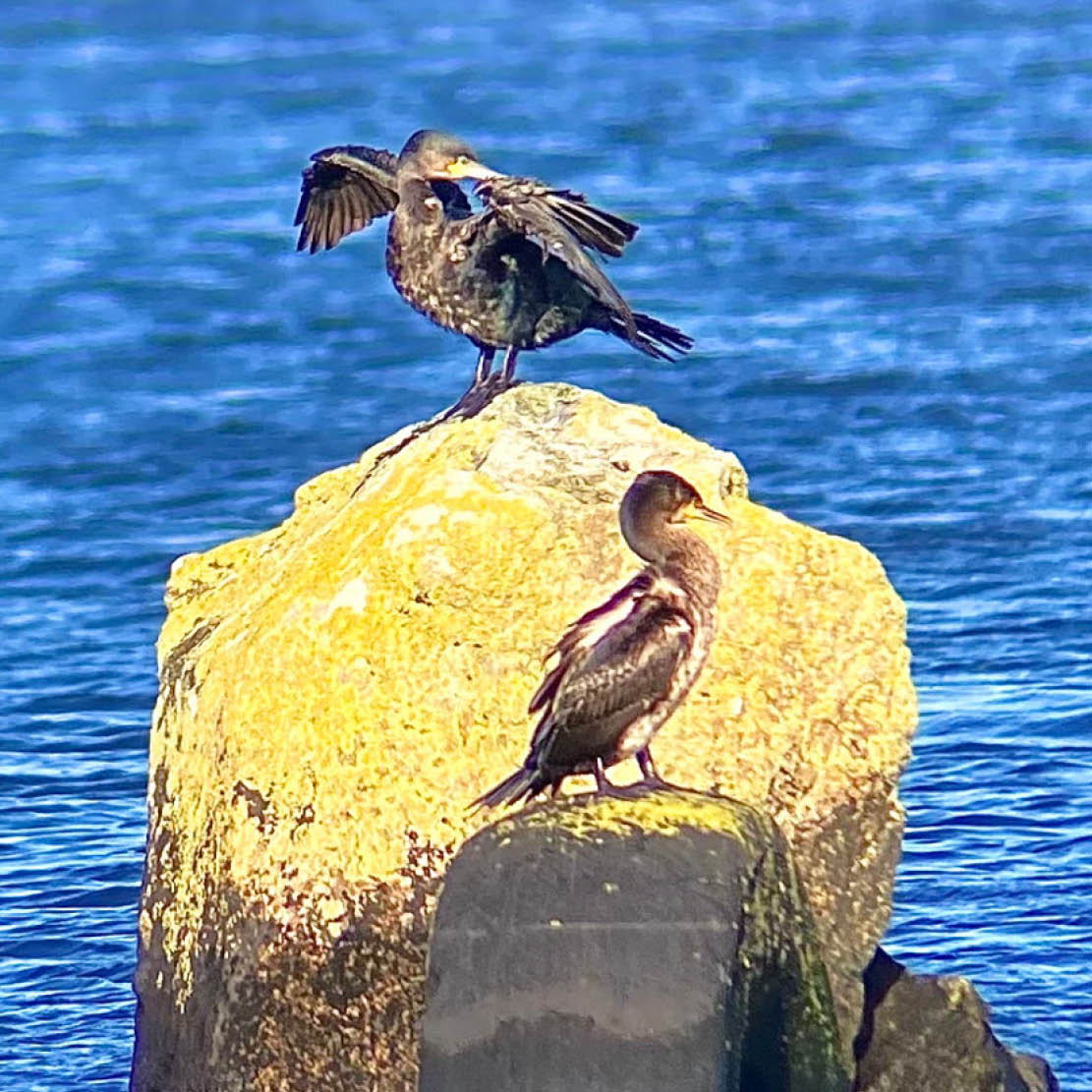
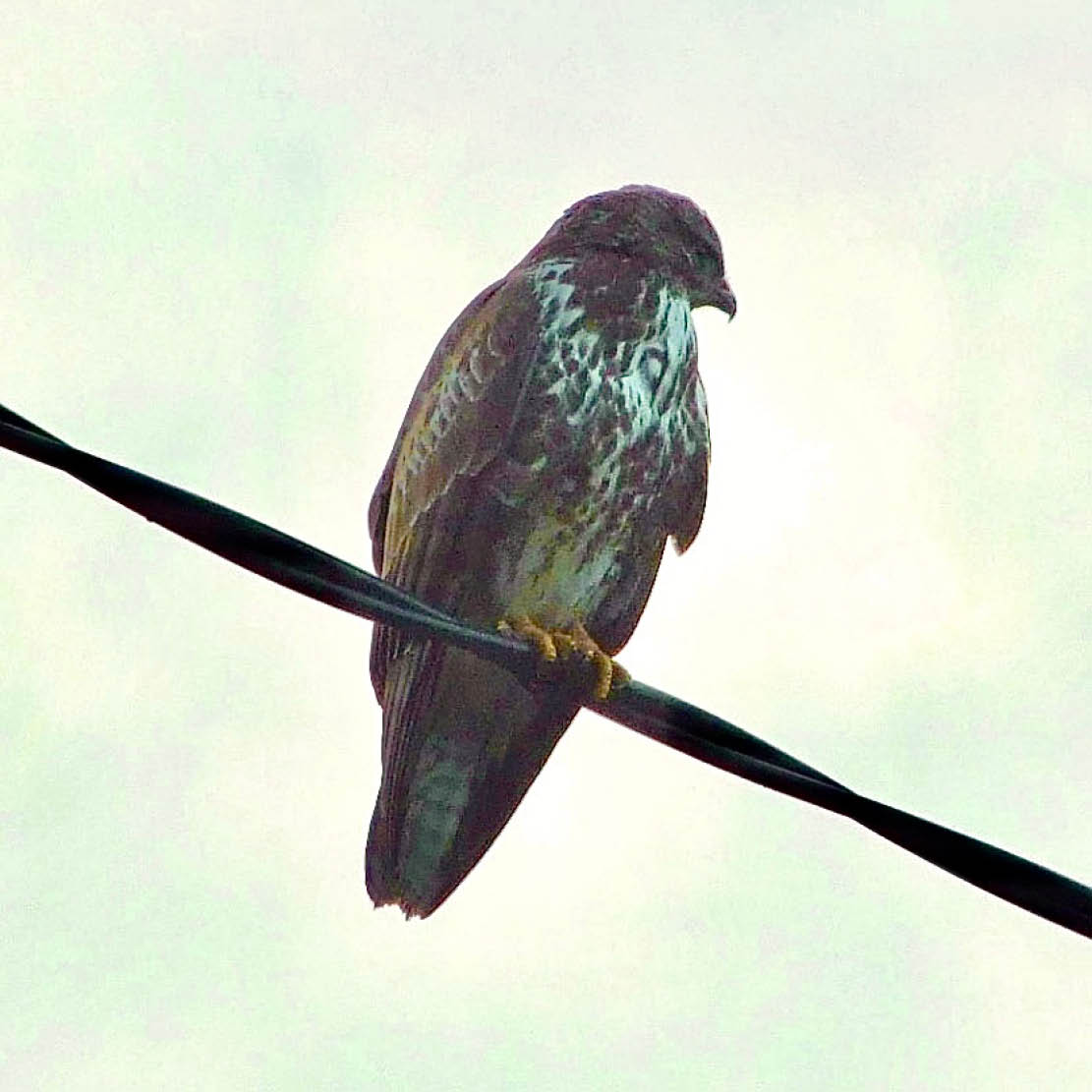
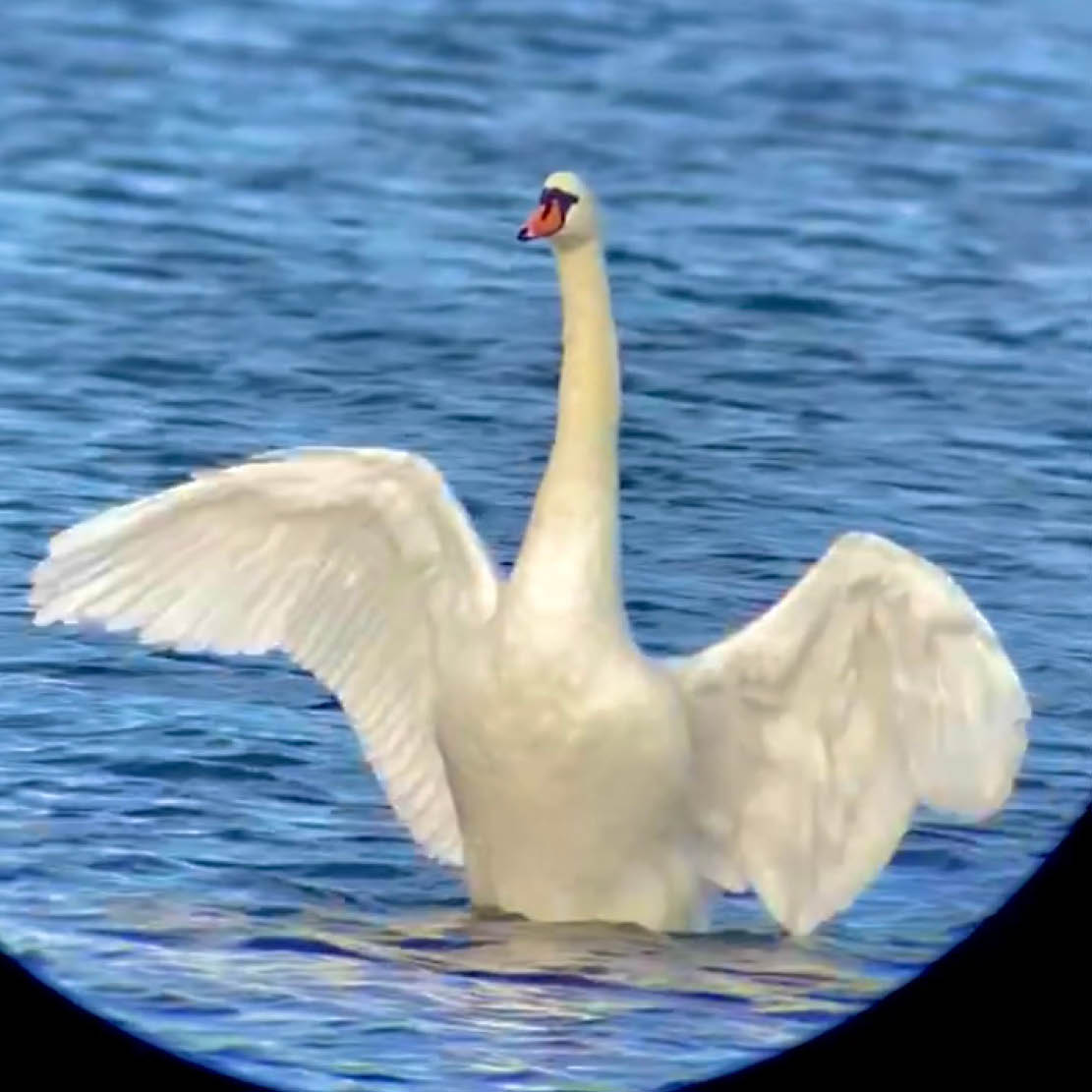
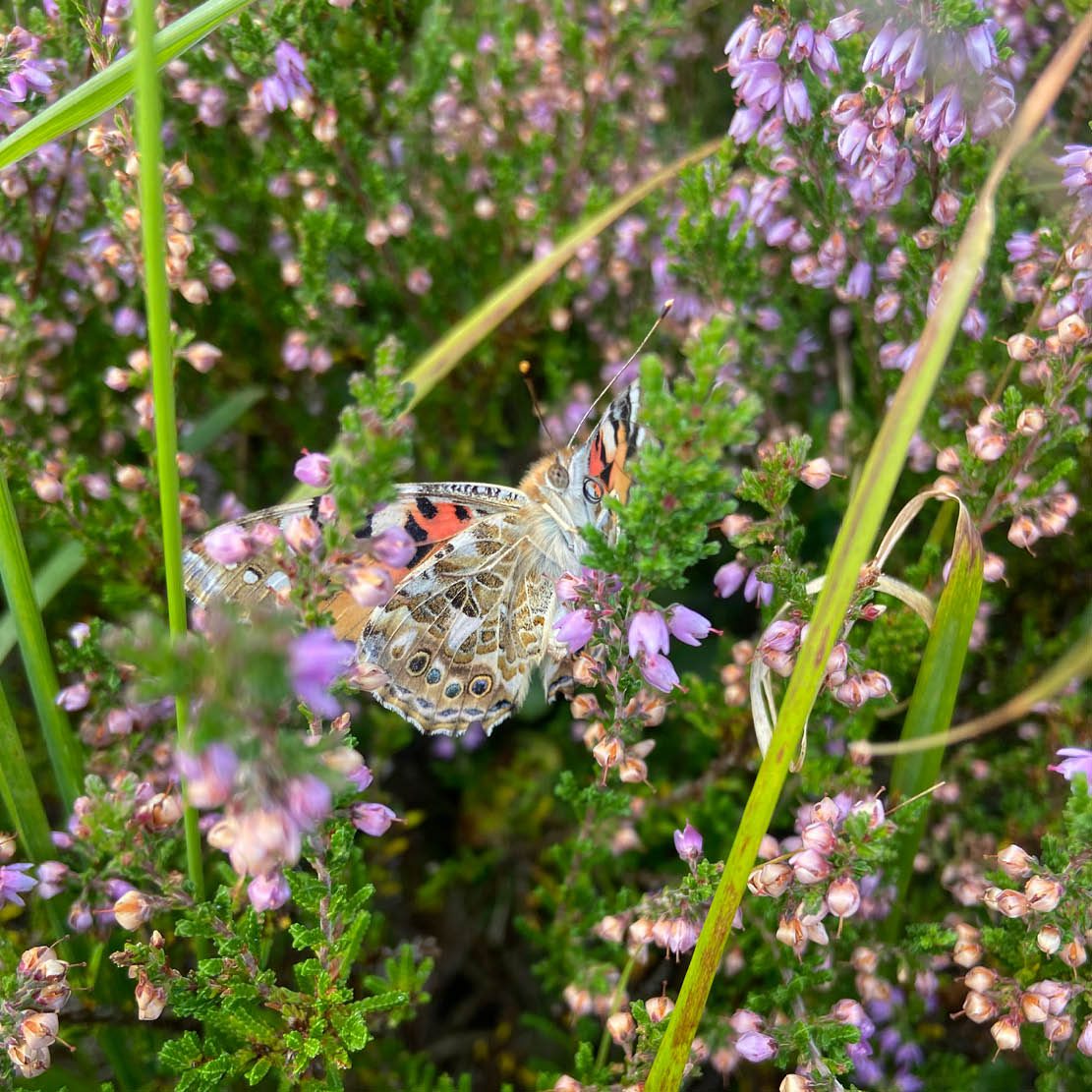
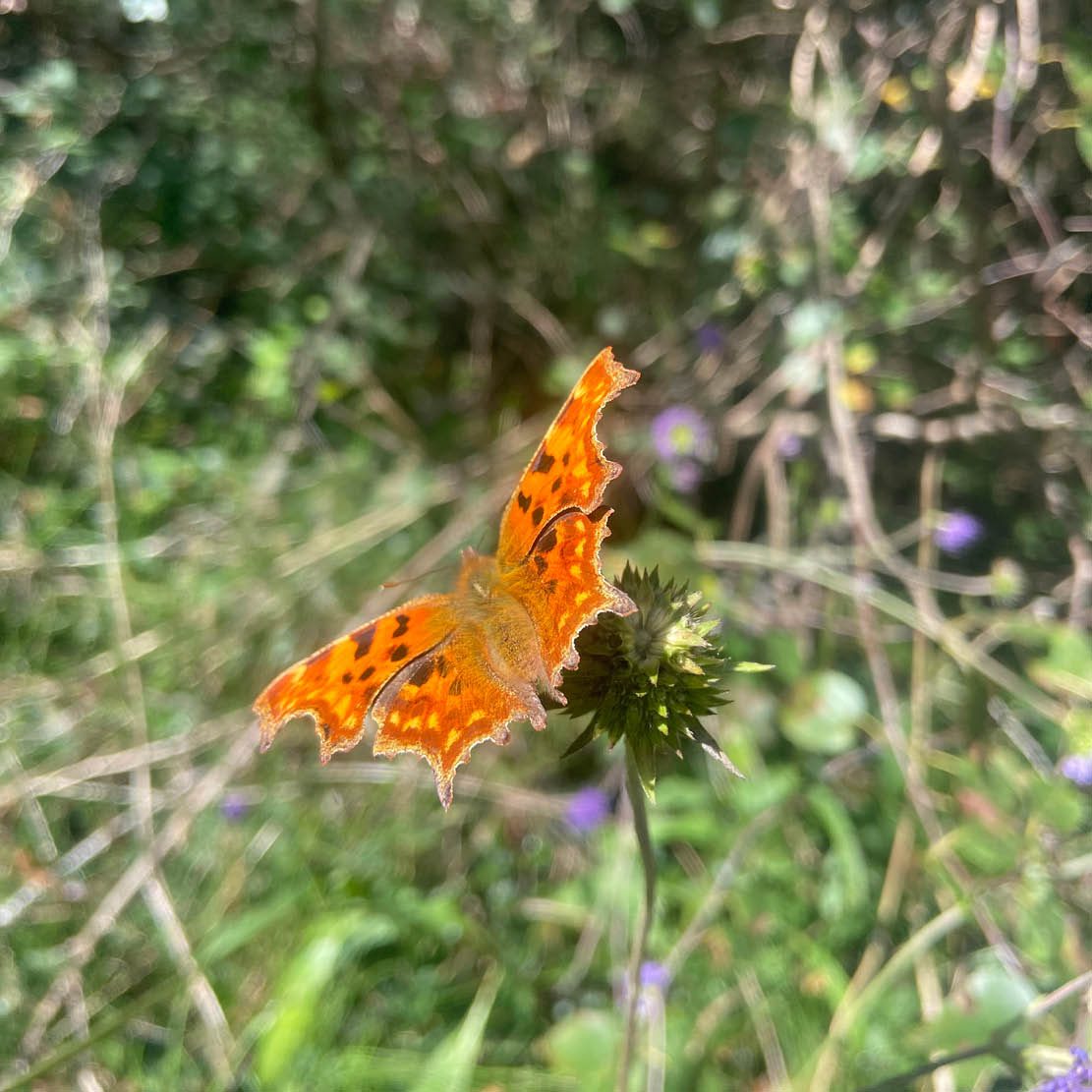
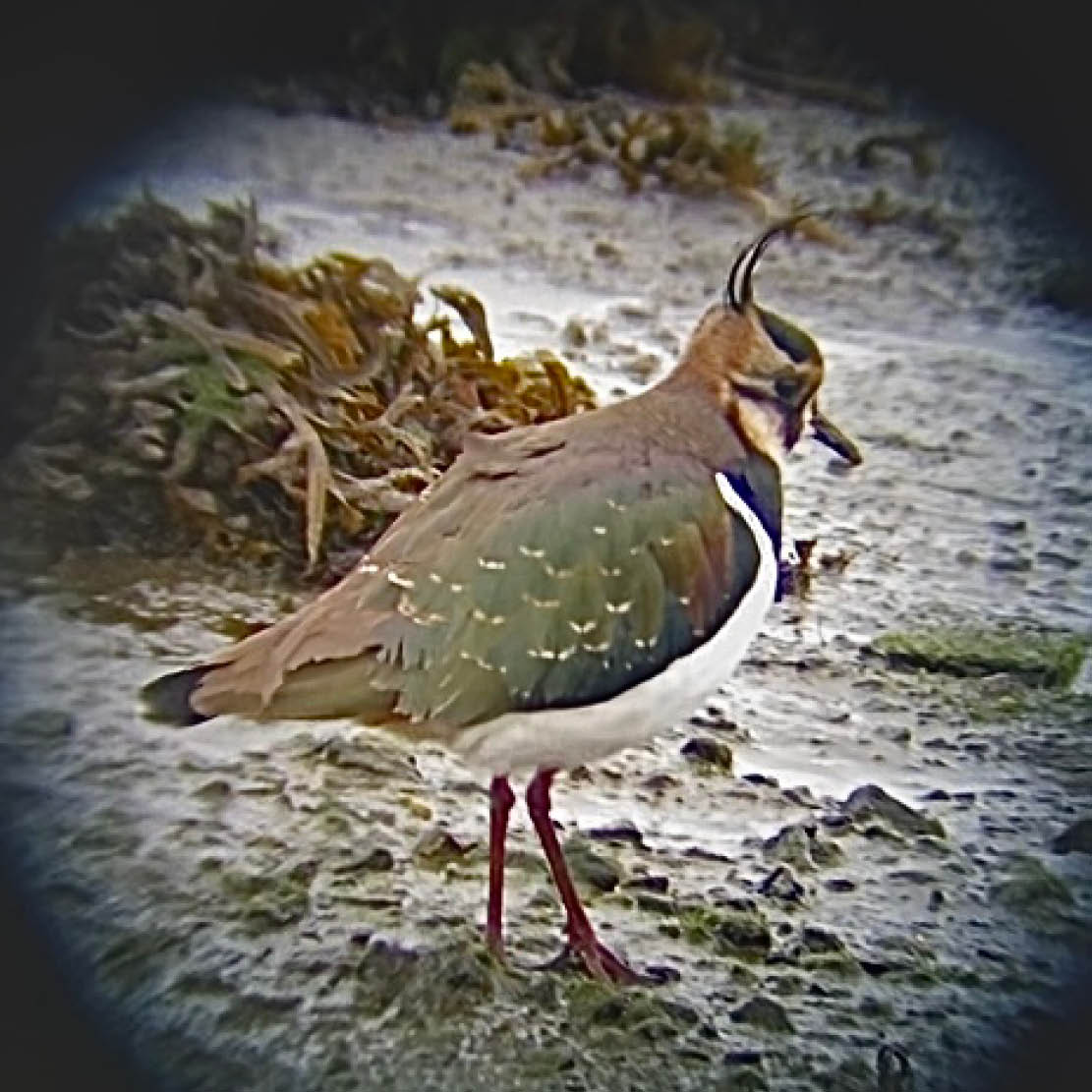
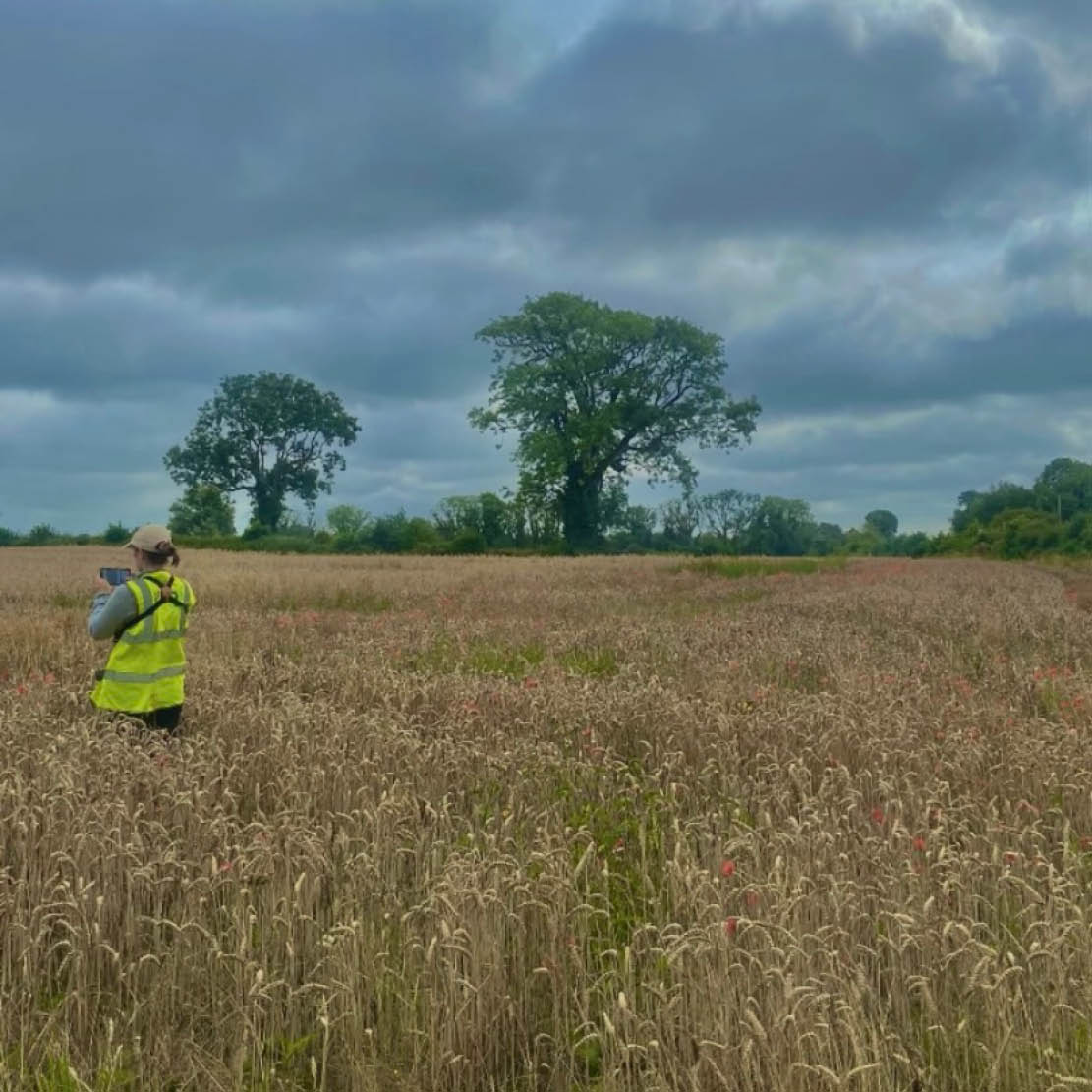
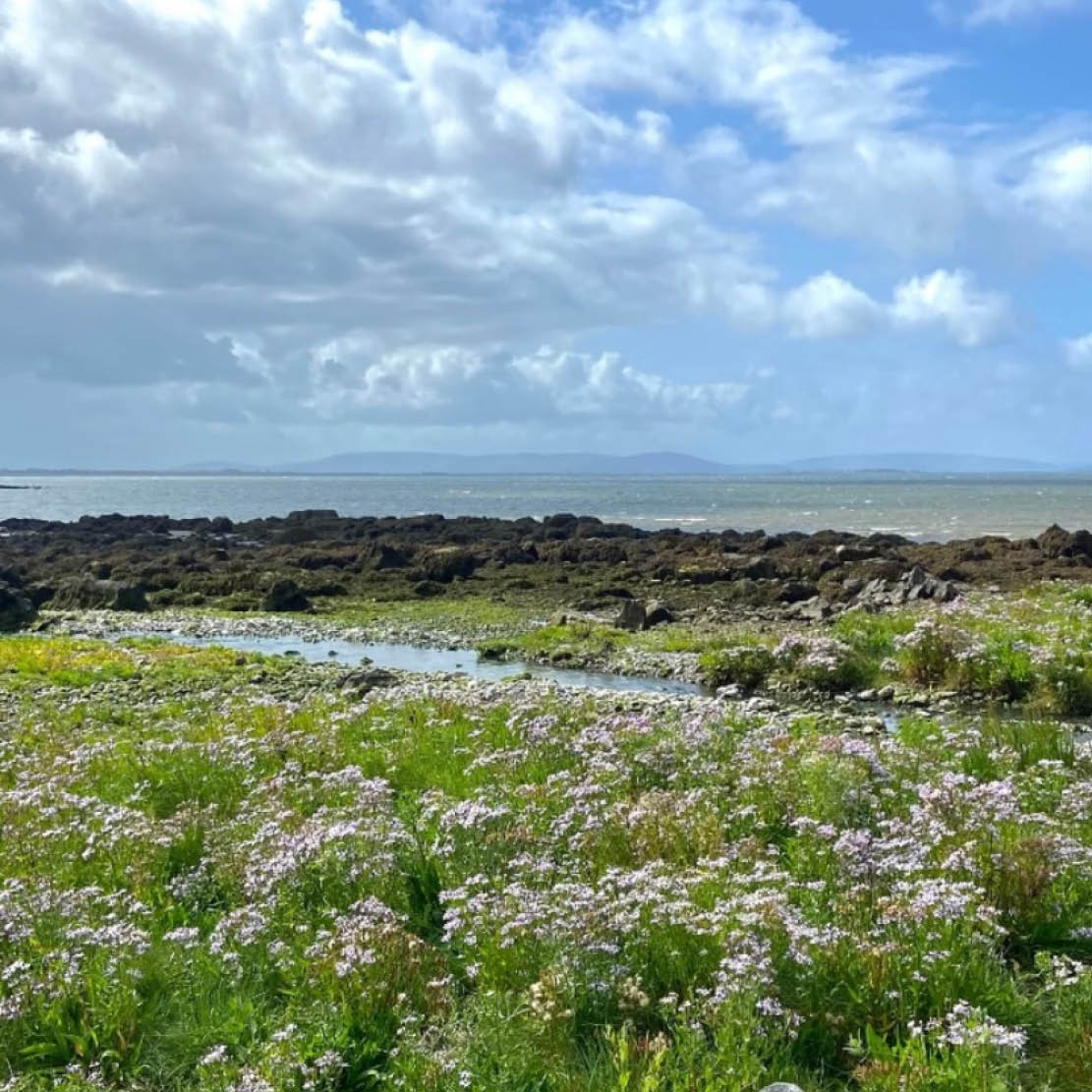
As a Graduate Ecologist, no two days are the same. Our work is incredibly varied. If we are working on fieldwork, we might be carrying out multidisciplinary walkover surveys, undertaking invasive species assessments or carrying out bird surveying, the list truly goes on. Each project brings its own expectations and requirements, which decides how we are to approach the reporting process. The type of surveys we carry out also changes with the seasons. During the summer months, much of our time is spent on vegetation surveys and general multidisciplinary walkover surveys and as we move into winter, we focus more on wintering bird surveys. A typical day in the office is equally varied. Mondays are often spent catching up with our teams and planning our week ahead. The rest of the week, when we are not out on site, we are often focused on report writing or reviewing data collected from recent surveys, whether that’s for AASRs, NIS documents, or ECIAs. Every day brings something different, which is one of the most rewarding aspects of the role.
What types of projects are you currently working on?
As a Graduate Ecologist I carry out a wide variety of work on a day to day basis, with most tasks focused around surveying and reporting. At the moment, I’m involved in several different projects, ranging from AASRs for small scale works to contributing to surveys and reports for larger renewable energy projects. Every project is unique, and each report has its own specific requirements, which means there’s always something new to tackle.
How would you describe the culture at MKO?
From the very beginning, I found MKO to be incredibly welcoming. Starting your first graduate role after college can be daunting, but I never felt overwhelmed. Everyone made a genuine effort to get to know me and help me settle in. There is a huge amount of expertise and knowledge within MKO, and I’ve learned something new from everyone I’ve worked with so far. I also am continuing to grow and develop my skills thanks to the support and knowledge shared across the teams.
What do you enjoy most about your role at MKO?
I enjoy the fact that ecology is such a broad and diverse field, with so many different areas of expertise. I also value the continuous learning it offers, whether I’m onsite or in the office, I finish each day having learned something new. I enjoy the collaborative nature of the work at MKO. Working alongside passionate and knowledgeable colleagues really inspires me
What are the most important skills required for your role?
A genuine curiosity and passion for ecology is the most important skill for this role. Having a real interest in the nature makes every aspect of the work more enjoyable and helps you stay motivated as you learn and develop new skills
How does MKO support your professional development in Ecology?
Throughout my graduate journey, MKO has offered a wide range of training opportunities, both in person and online, which have helped me develop my skills even further. The knowledge shared among all the colleagues is incredible, and MKO invests a significant amount of time to ensure this expertise is passed on. Both across ecology and throughout all teams and departments within the company. MKO also actively encourages and supports CIEEM memberships, which is important because it helps staff gain professional recognition, access continued learning opportunities, and progress in their ecological careers.
What would you like to have known when applying for the Graduate Ecologist role?
Looking back, I wish I had a clearer idea of just how varied and hands on a graduate role in ecology can be. Before starting, I initially thought much of the work would be office based or heavily focused on one type of survey, but in reality, there’s a huge mix of fieldwork and report writing. I also wish I had known how important it is to be adaptable. Each project has different requirements, and the seasons can completely change what you’re doing week to week.
Another thing I would have found helpful is understanding that you won’t know everything from day one and that’s perfectly normal. Species ID, habitat assessment, and report writing all take time to develop. What matters most is staying curious, asking questions, and being open to learning from colleagues. If I had known that the support and guidance available at a company like MKO would be so strong, I would have felt even more confident during the application and early months of my role.