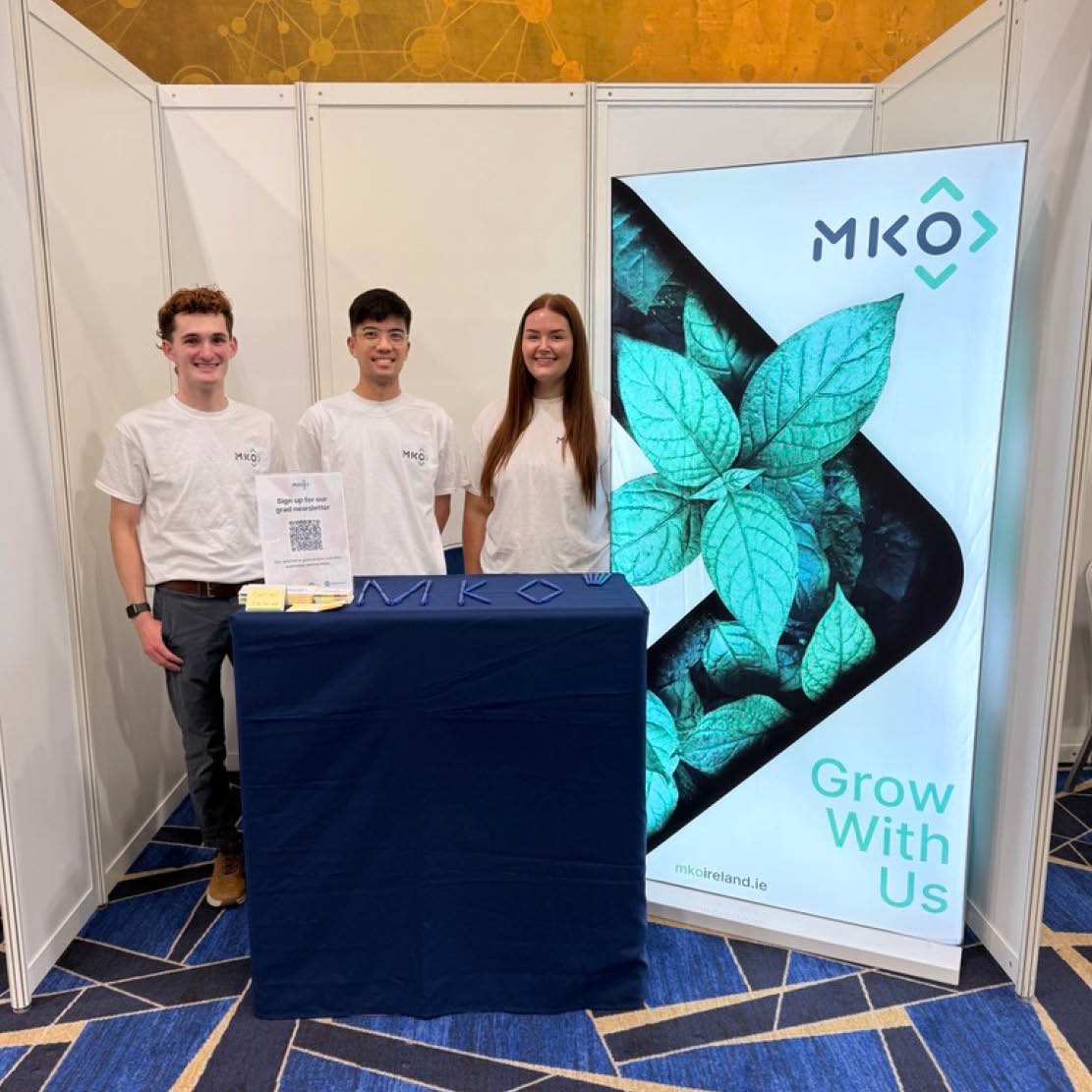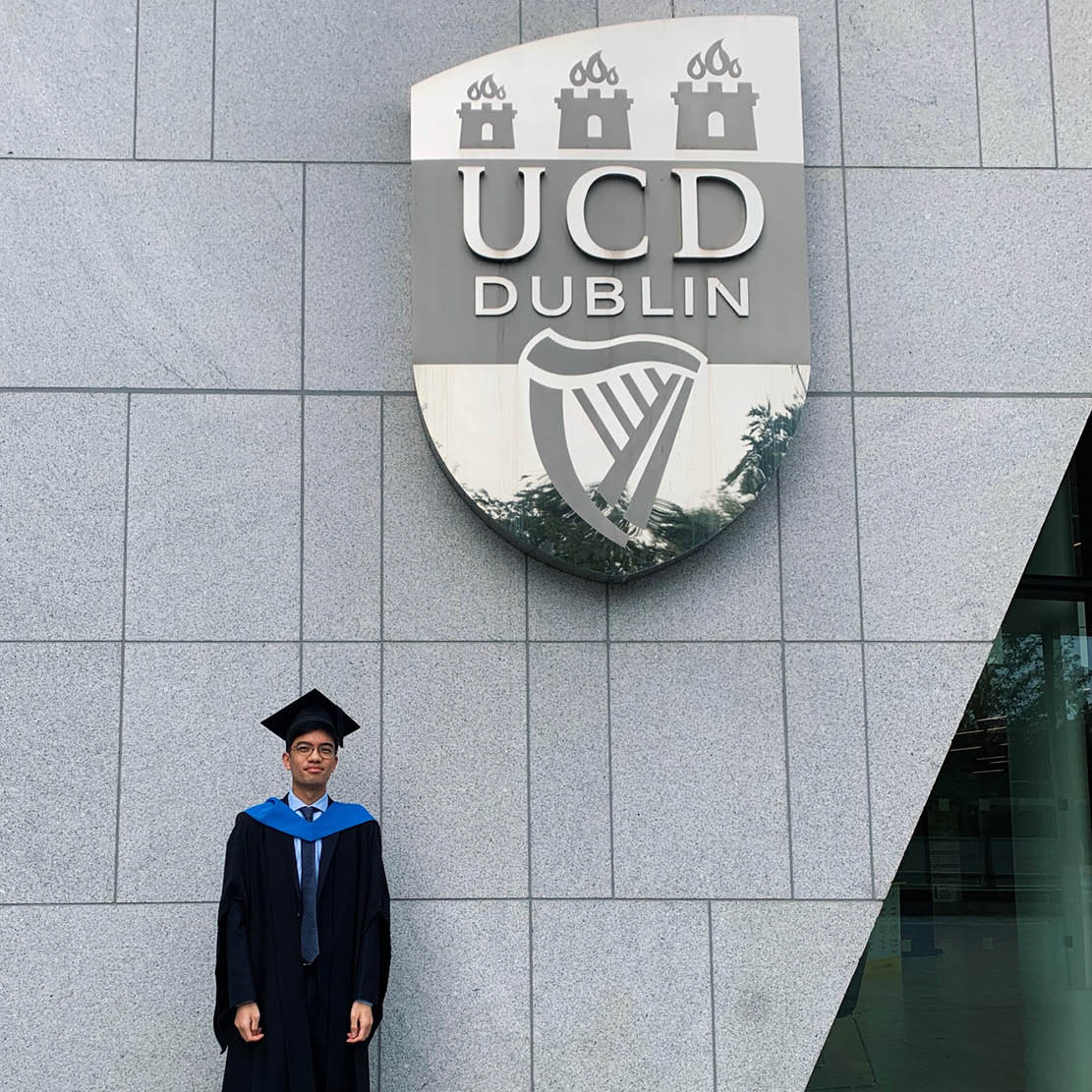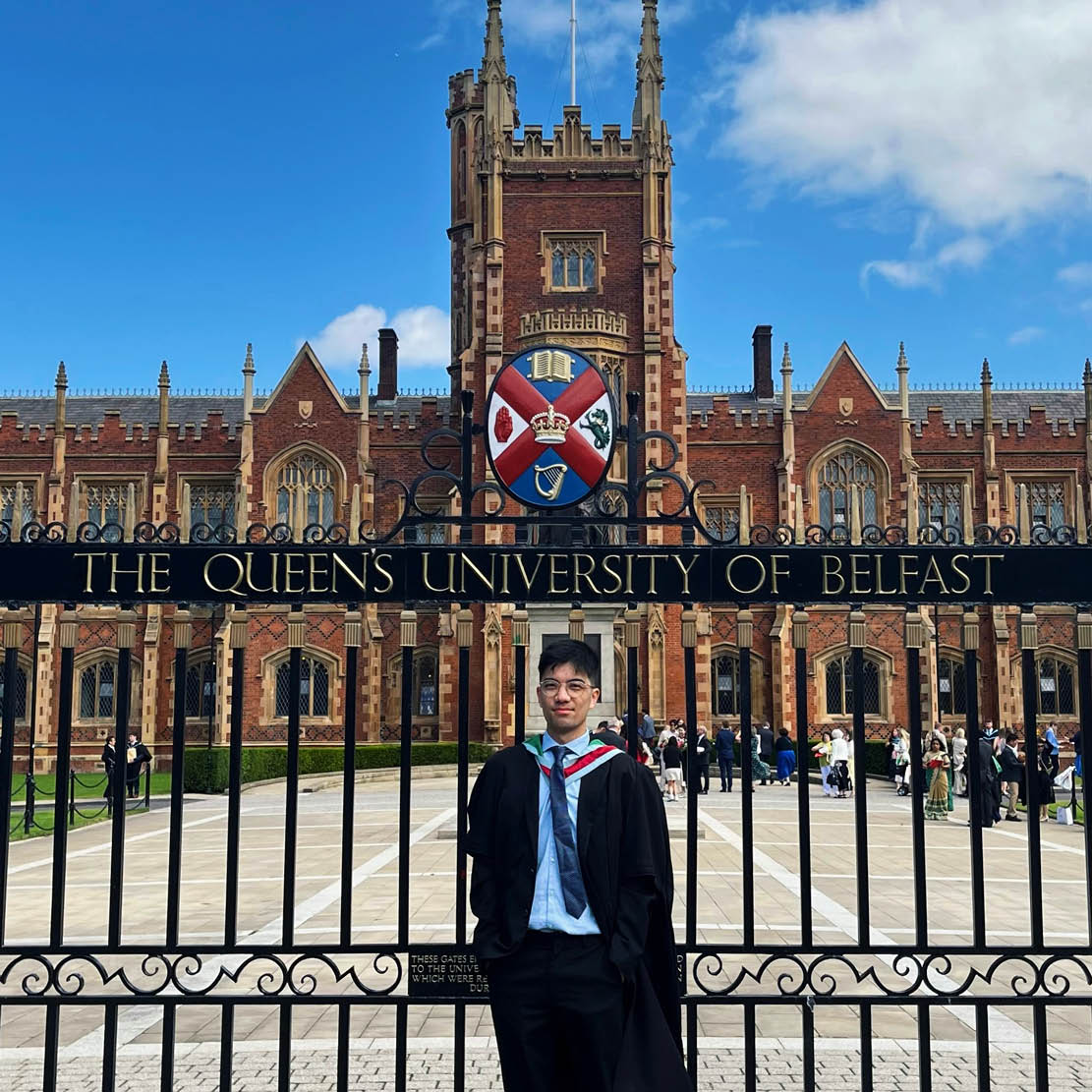



Mike discusses life as a Renewable Energy Planner. Mike studied a BA in Politics, International Relations and Sociology at UCD and a Masters in Planning and Development at Queen’s University. Mike joined MKO in 2024 as part of our grad intake.
What inspired you to pursue a career in Planning?
Growing up, I’ve always been interested in architecture and the natural and built environment. During my Bachelor’s degree I took modules in environmental politics and policy, and that’s where I first learnt about planning. Once I graduated, I worked in the non-profit sector for a couple of years where I learnt more about planning, and after doing my own research I decided that it was the career that I wanted to pursue. I went on to do my Master’s degree in Planning and Development and just before I graduated, I joined MKO’s Graduate Programme in June 2024. Today, I work as a Renewable Energy Planner on MKO’s Planning Renewables team.
Can you describe your typical day?
I don’t think there’s such thing as a typical day as a Planner, it really depends on the projects I’m working on and the different stages that they’re at. However, I’m usually drafting a variety of planning reports and documents, compiling planning applications, reviewing planning drawings and attending project meetings.
What types of projects are you currently working on?
I work with the Planning Renewables Team within MKO, as such, most of the projects I work on comprise of renewable energy developments, including onshore wind, solar and grid infrastructure. With the onshore wind projects that I work on, these include planning applications for new wind farms and the extension of operational life or repowering of existing ones.
How would you describe the culture at MKO?
Inclusive, supportive and collaborative – From my first day at MKO, I immediately felt welcomed and part of the team. All my colleagues are very friendly and the supportive and collaborative environment at MKO means that you can ask anyone for support or advice and they’d always be happy to help. MKO also has a Social Committee which hosts a wide range of activities on top of our Summer and Christmas parties, which are always good fun.
What do you enjoy most about your role at MKO?
I think what I enjoy most about my role at MKO is that I get to work on a wide range of renewable energy projects at different stages of the planning process, and that no two days are the same. Working at MKO has given me the opportunity to develop my knowledge on onshore wind, solar and grid infrastructure and the planning process in general. I also enjoy working as part of a multidisciplinary team where I get an insight into the other services that MKO provides such as Environmental, Ecology, Ornithology and Landscape and Visual.
What advice do you have for someone aspiring to pursue a career in Planning with MKO?
Have a look at our website and socials to get an idea of the work that we do and the types of projects that we work on. Also, come visit us at your university’s graduate recruitment fairs to discuss the opportunities available within MKO.
What are the most important skills required for your role?
I think writing and critical thinking skills, along with a strong attention to detail are essential for a role as a Planner. As part of our work, we have to read and review legislation, policy and guidelines, be able to craft the rationale for our projects and build an argument in their favour. These skills are essential for drafting planning reports and documents, compiling planning applications, reviewing planning drawings and submitting a valid planning application.
How does MKO support your professional development in Planning?
Planning has a critical role to play in addressing the challenges that we face as a society, including the combined climate change and biodiversity crises. In order to meet our climate action and renewable energy goals we have to deploy additional renewable energy developments and maintain those that already exist. Planning shapes how we progress these projects and ensure that we can achieve a biodiversity rich, climate resilient, low carbon and sustainable future.