

The National Parks and Wildlife Service (NPWS) recently published ‘The status and distribution of wintering waterbirds in Ireland in 2023: results from the Irish Wetland Bird Survey (I-WeBS)‘ which has revealed the positive and negative population trends of Ireland’s regularly wintering waterbirds over the last 32 years. These I-WeBS surveys were conducted over the years by staff from Birdwatch Ireland, the NPWS and many volunteers, including some of our own ornithologists.
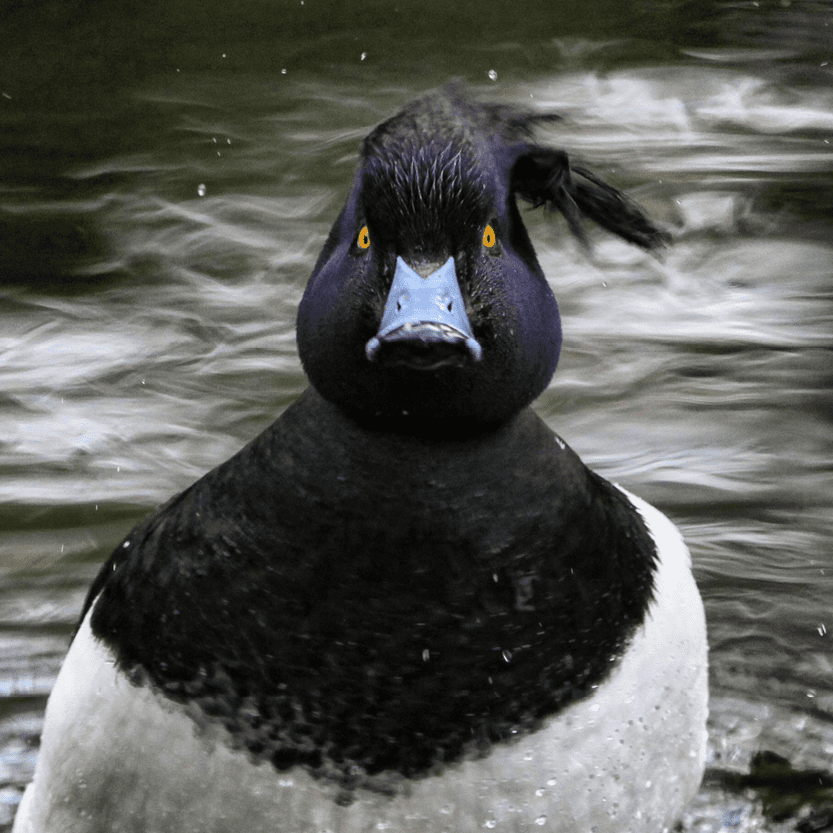
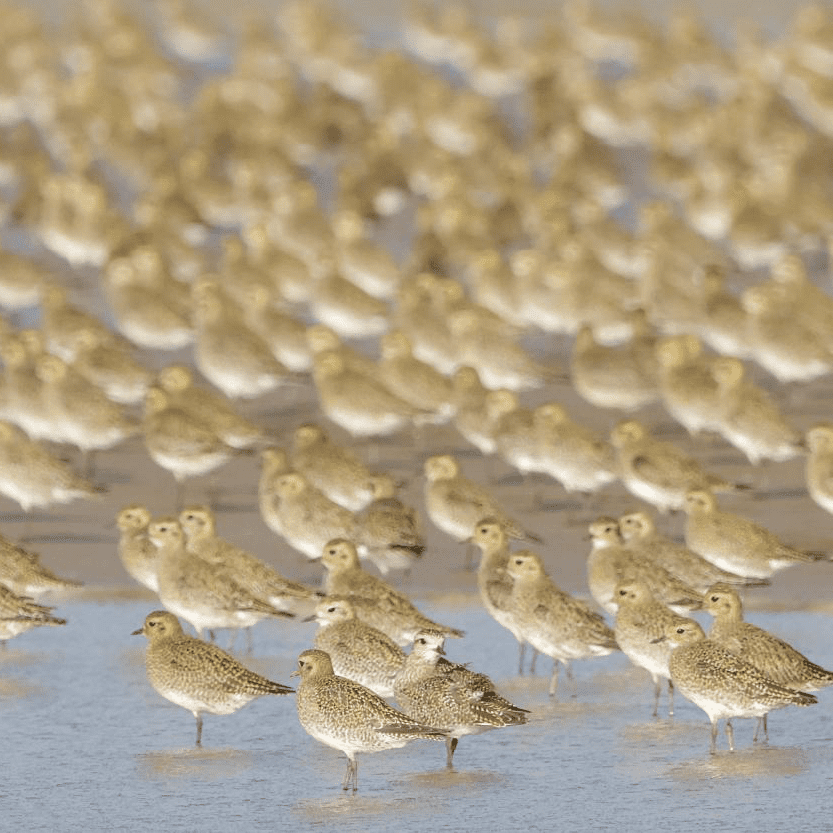
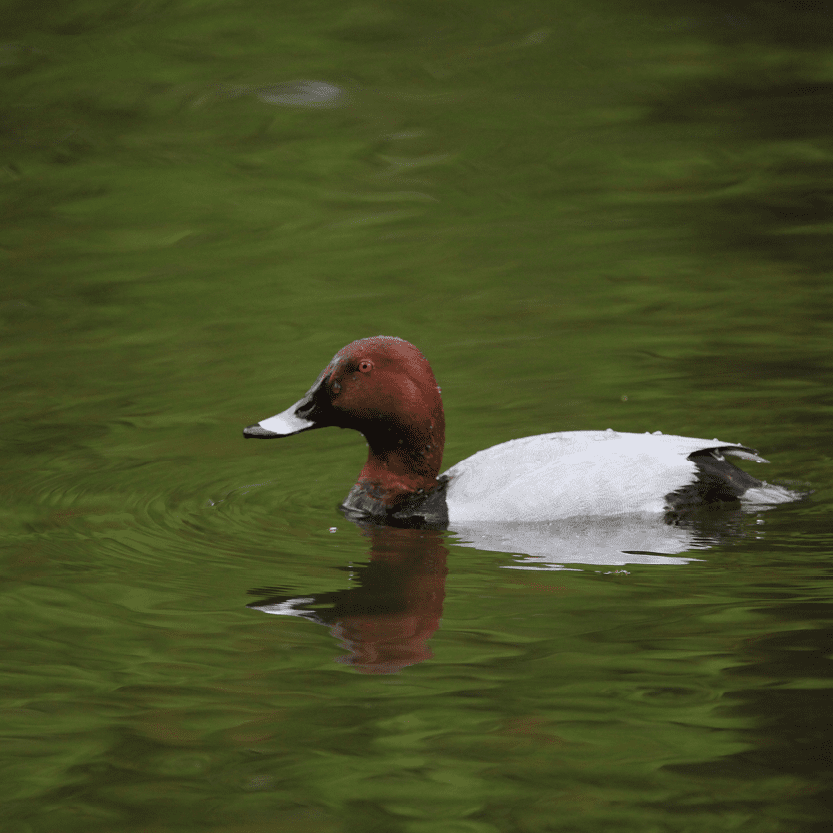
Ireland is a key wintering location for many migratory waterbird species that travel from the Arctic Circle, Iceland, Scandinavia and Siberia. The findings from the study show that the total number of Ireland’s wintering waterbird species has declined by a third since the surveys began three decades ago. Of Ireland’s regularly wintering waterbird species, 23 have displayed declining population trends. Some of the diving duck species have shown the most alarming declines, with wintering populations dropping over 50% since 1995 for goldeneye, pochard, tufted duck and scaup. It is thought that dropping water quality levels and eutrophication are reducing the food availability for these species who prefer deeper waters to their dabbling duck counterparts. Significant declines have also been noted in wader species such as curlew, golden plover, grey plover and lapwing. There is no one reason for these declines, with various factors such as habitat loss, disturbance and food availability as probable contributors.
Climate change is playing a role in shifting population dynamics, and nowhere is this more evident than in the changing Bewick’s swan population that winters in Ireland. For the winter of 2026, a flock of 13 were recorded in Roscommon and a further two in Wexford, a stark contrast to times past where over 2000 birds once wintered in the country. The warming climate has led to this species migrating shorter distances as more ice-free wetlands for foraging and roosting have become available in central Europe. Bewick’s swans breed in high-Arctic Siberia, and the wintering population trends are showing that they no longer need to migrate as far west as Ireland, as the largest wintering flocks are now being recorded in Poland. Climate change has also brought species to Ireland that did not winter here regularly. The little egret wintering population has grown since the species first colonised the country in the 1990s. Now, its smaller cousin, the cattle egret, has been recorded enough at multiple locations in the country in recent years that it can now be considered a regularly wintering species in Ireland.
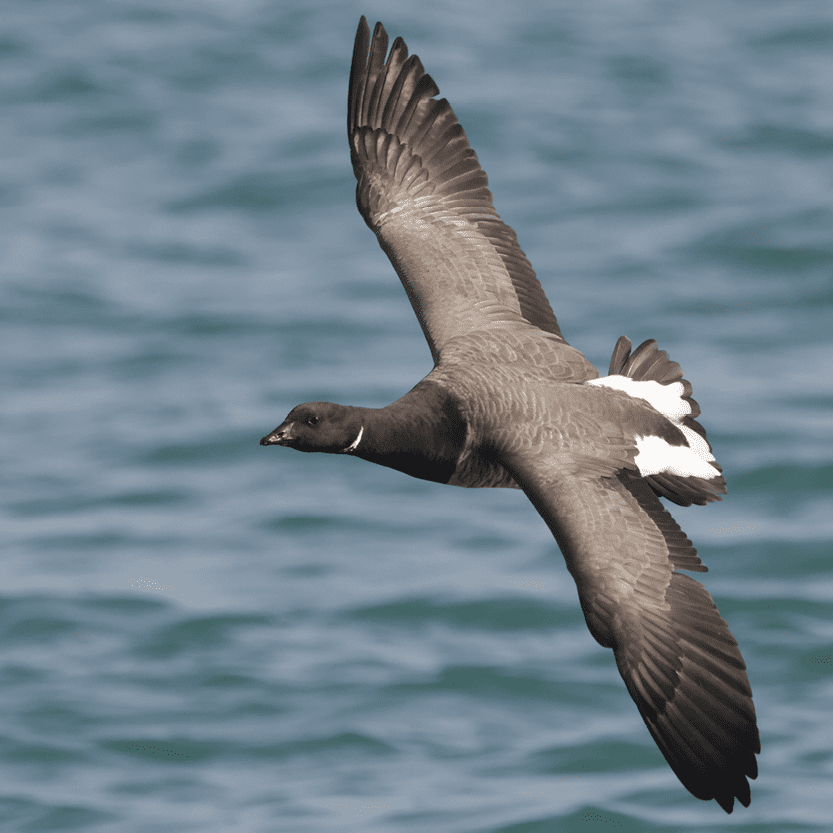
Other species that have seen increases in wintering populations include whooper swan, brent goose, dabbling ducks such as pintail, shoveler and wigeon and waders like bar and black-tailed godwit and greenshank. These species tend to be more adaptable and can utilise a mix of habitats inland and on the coast, which gives them an advantage over species with a narrower niche.
This report will prove to be a valuable tool in prioritising changes in policies and developing conservation ideas and plans for the Nature Restoration Law. The results from this study will also be used to help build a wider picture of waterbird populations in Europe as a whole.